Saint-Romain Street (Rue Saint-Romain)
About Saint-Romain Street (Rue Saint-Romain)
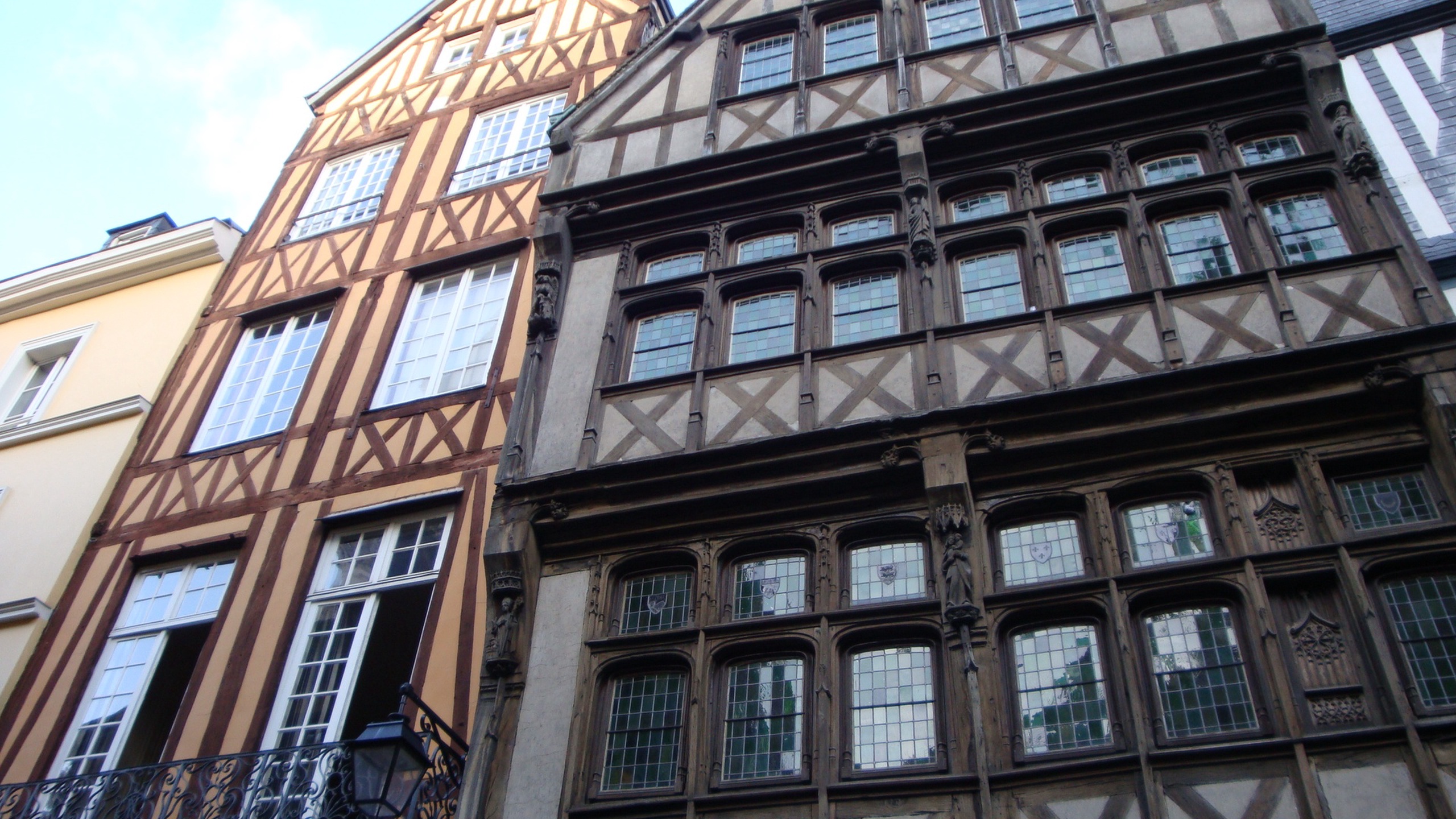
Rue Saint-Romain is one of the most picturesque and historically significant medieval streets in Rouen's old town, considered by many to be the oldest street in the city. The cobblestone lane is lined with remarkable half-timbered houses (maisons à pans de bois) dating from the 15th to 18th centuries, with the most famous building at number 74 featuring Gothic-style continuous fenestration from 1466. The street runs along the north side of Rouen Cathedral and provides access to the magnificent Portail des Libraires (Booksellers' Portal), a 13th-century masterpiece with 150 carved medallions depicting scenes from Genesis. Originally called Rue des Féronniers after the ironworkers who once plied their trade here, the street was renamed after Saint Romain, the 7th-century Archbishop of Rouen. The beautifully preserved medieval facades, hidden for nearly 200 years under plaster due to 18th-century fire prevention laws, were only restored in the 1960s. This atmospheric street inspired many Impressionist painters including Camille Pissarro and Eugène Boudin, making it an essential stop for anyone exploring Rouen's remarkable architectural heritage.
Interesting Facts
The stunning half-timbered facades you see today were hidden under plaster for nearly 200 years. In the 18th century, King Louis XVI issued an edict requiring homeowners to cover their timber-framed houses with plaster to reduce fire risk. The beautiful medieval woodwork was only rediscovered and painstakingly restored starting in the 1960s, revealing architectural treasures that had been concealed for generations.
Rue Saint-Romain was a favorite subject for Impressionist painters who flocked to Rouen to capture its ever-changing light and medieval charm. Camille Pissarro painted scenes here, while Eugène Boudin created his famous 'La Rue Saint Romain' in 1895. The pioneering photographer Eugène Atget also documented the iconic building at number 74 between 1903-1905, helping to preserve this architectural gem for posterity.
The street has borne many names throughout its tumultuous history. Originally called 'Rue des Féronniers' (Ironworkers' Street) after the blacksmiths who once worked here, it was also known as 'Rue de l'Archevêché' (Archbishop's Street). During the French Revolution, religious names were forbidden, so it was temporarily renamed 'Rue du Citoyen' (Citizen's Street) before finally receiving its current name honoring Saint Romain, the 7th-century Archbishop of Rouen.
The building at 74 Rue Saint-Romain is one of Rouen's most remarkable medieval structures, featuring rare Gothic-style continuous fenestration dating from 1466. The house showcases the 'encorbellement' technique where upper floors overhang the lower ones - a design that gained extra living space and protected walls from rain. This building technique was banned after 1526 for hygiene reasons, making surviving examples like this one exceptionally precious historical artifacts.
Planning Your Visit
Opening Hours
Location & Practical Info
Address
Rue Saint-Romain, 76000 Rouen, France
Day Routes
Explore all day routesThese carefully curated day itineraries include this attraction and show you exactly how to plan your visit, including transport, timing, and what else to see nearby.
Want to visit this attraction? These routes show you how to get here and what to combine it with.
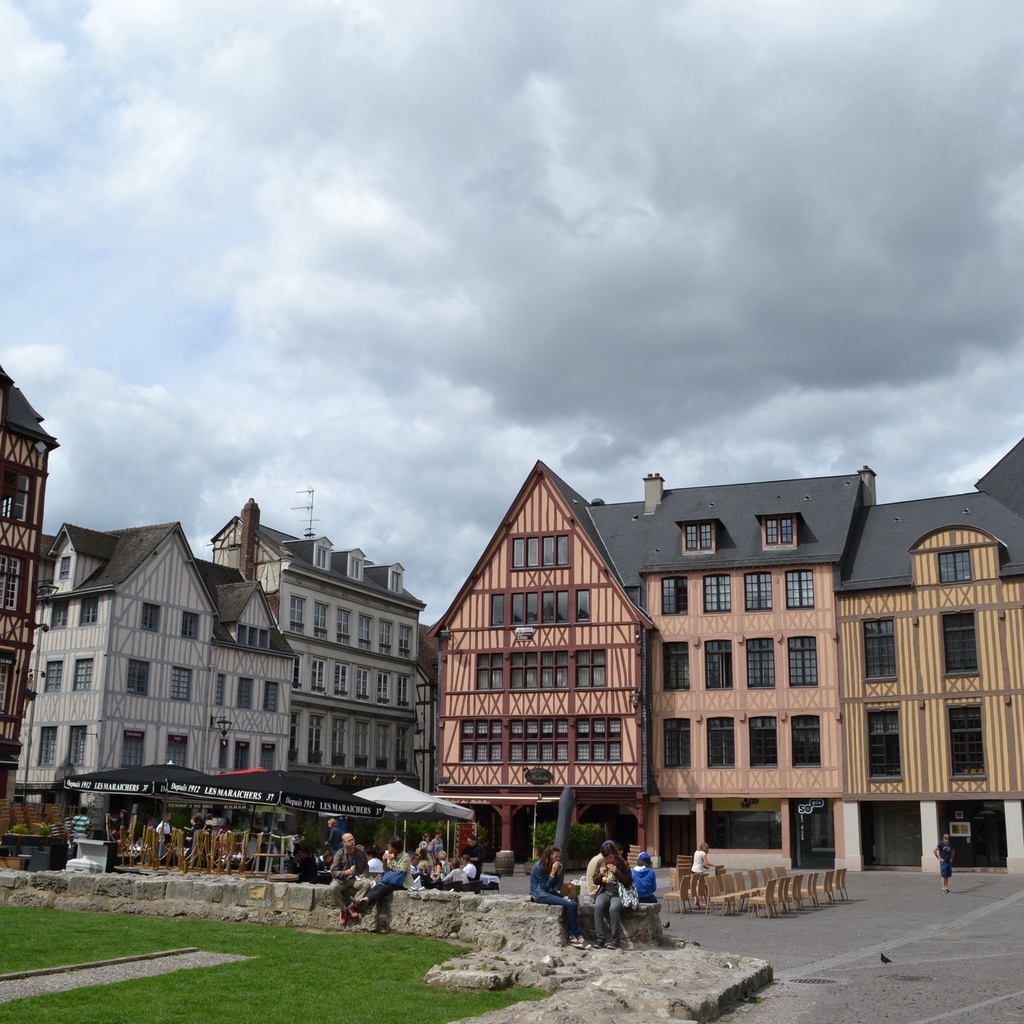
Best of medieval Rouen
Rouen
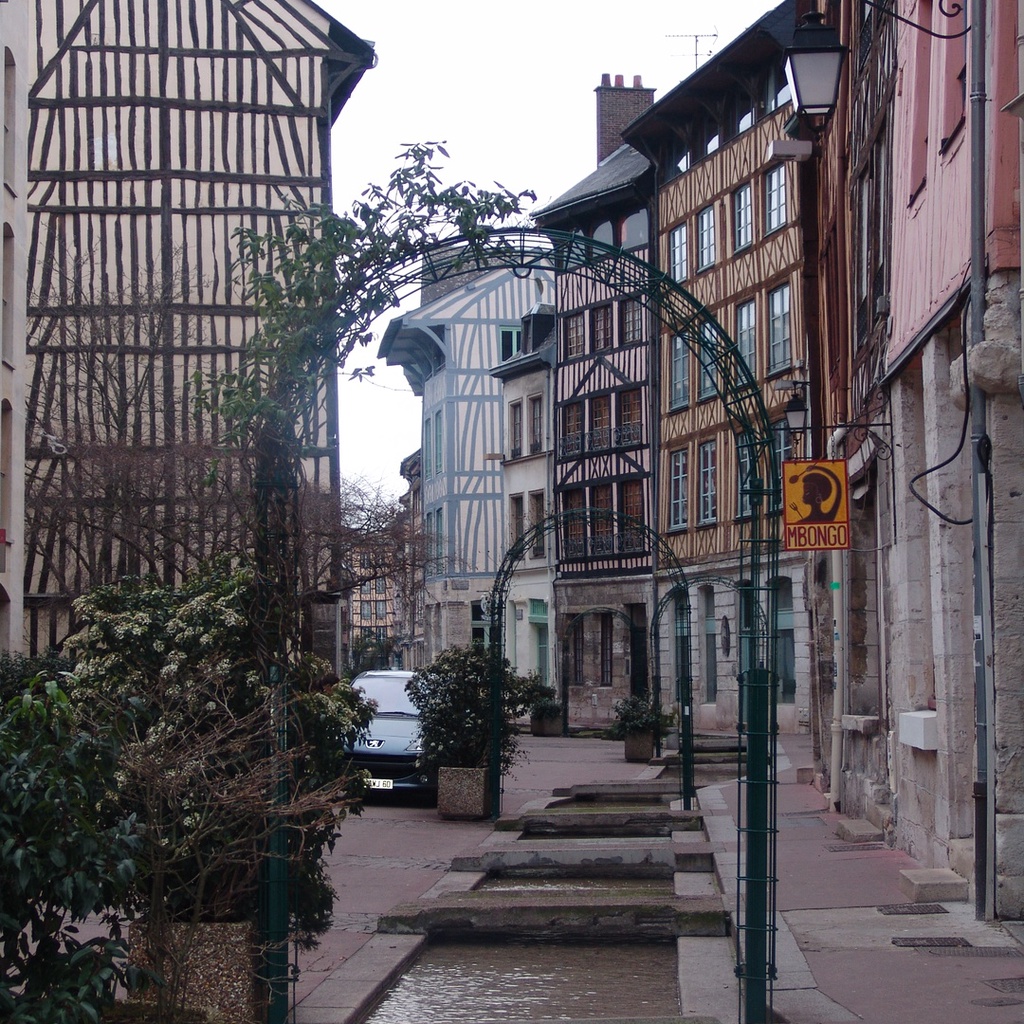
Best of medieval Rouen
Rouen
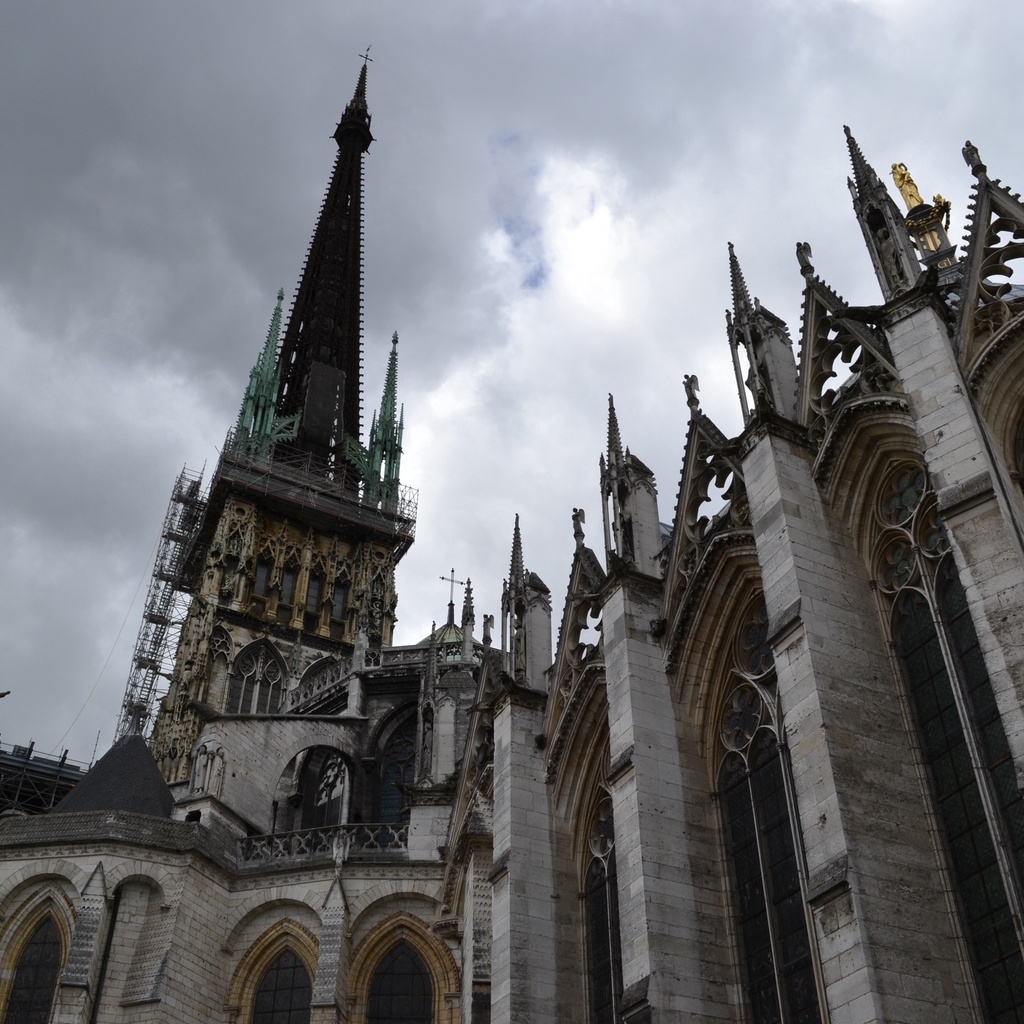
Medieval Rouen walking tour
Rouen
Multi-day Itineraries
View complete itinerariesPlanning a longer trip? These multi-day itineraries incorporate this attraction into complete travel experiences with accommodation, transport, and daily schedules.
This attraction is featured in comprehensive multi-day trips with full logistics included.
Entire Normandy in 12 days
Caen → Bayeux → Granville → ...
Complete Seine-Maritime in 18 days
Dieppe → Le Treport → Rouen → ...
Weekend in Rouen
Rouen