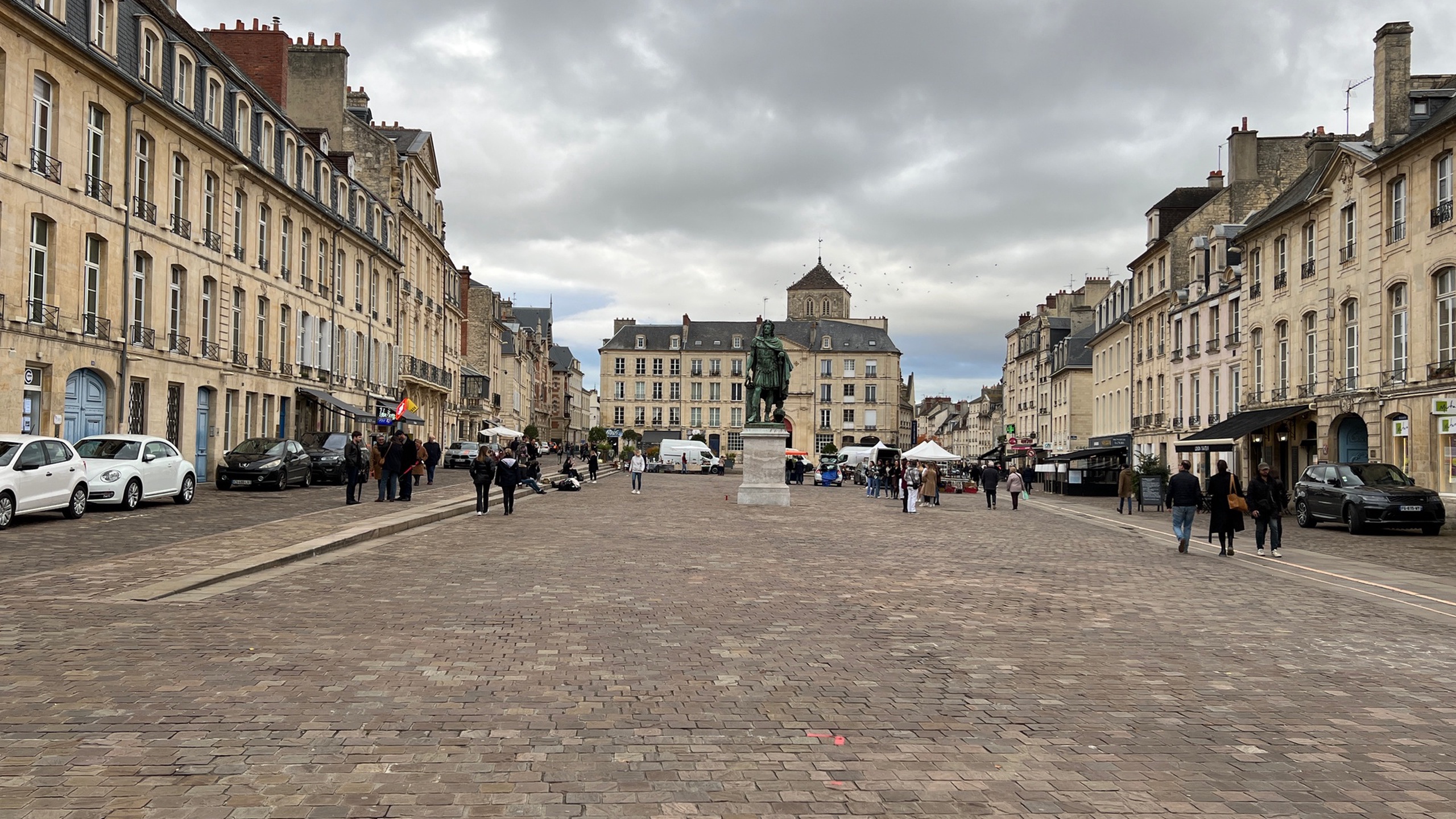
Place Saint-Sauveur
About Place Saint-Sauveur
Place Saint-Sauveur is one of Caen's oldest and most elegant historic squares, with continuous market activity documented since 1025. The square was transformed in the 18th century under Baron de Fontette's direction, replacing medieval buildings with harmonious neoclassical hôtels particuliers that still define its character today. At its center stands a colossal bronze statue of Louis XIV depicted as a Roman emperor, created by sculptor Louis Petitot in 1828 and installed in the square in 1961. The square is bordered by the Église du Vieux Saint-Sauveur, a church founded in the 7th century with a remarkable Gothic Flamboyant choir from the 1540s. Miraculously spared from the devastating 1944 bombardments that destroyed much of Caen, the square preserves authentic pre-war heritage. Today the pedestrianized square hosts a renowned Friday market with approximately 220 vendors, one of the largest in Normandy. Visit during market hours for a vibrant local atmosphere, or come in the evening to enjoy the cafés and terraces under the beautiful neoclassical façades.
Interesting Facts
In medieval times, the square was known as "Place du Pilori" (Pillory Square) because public executions were held here. Condemned prisoners would walk from the rue de Geôle prison up what locals grimly nicknamed "rue Monte-à-Regret" (Street of Climb with Regret or Street of No Return) to meet their fate. Even more macabre, corpses of suicide victims were publicly displayed hanging upside down from the gibbet as a warning.
The Église du Vieux Saint-Sauveur had an unusual second life: after the French Revolution, the church was stripped of religious function and converted into a grain hall, then a butter market. Most remarkably, from 1886 to 1928, it housed the complete skeleton of a whale that had beached at Langrune-sur-Mer in 1885 - making it perhaps the only Norman church to ever serve as a natural history museum.
Archaeological excavations beneath the square revealed at least five successive paving layers from the 13th to 15th centuries, showing how medieval Caen continuously renewed its urban infrastructure. Among the discoveries was a children's cemetery from the 16th-17th centuries exclusively for infants - historians still debate why children were buried separately from adults in this location.
Planning Your Visit
Opening Hours
Location & Practical Info
Address
Place Saint-Sauveur, 14000 Caen, France
Day Routes
Explore all day routesThese carefully curated day itineraries include this attraction and show you exactly how to plan your visit, including transport, timing, and what else to see nearby.
Want to visit this attraction? These routes show you how to get here and what to combine it with.
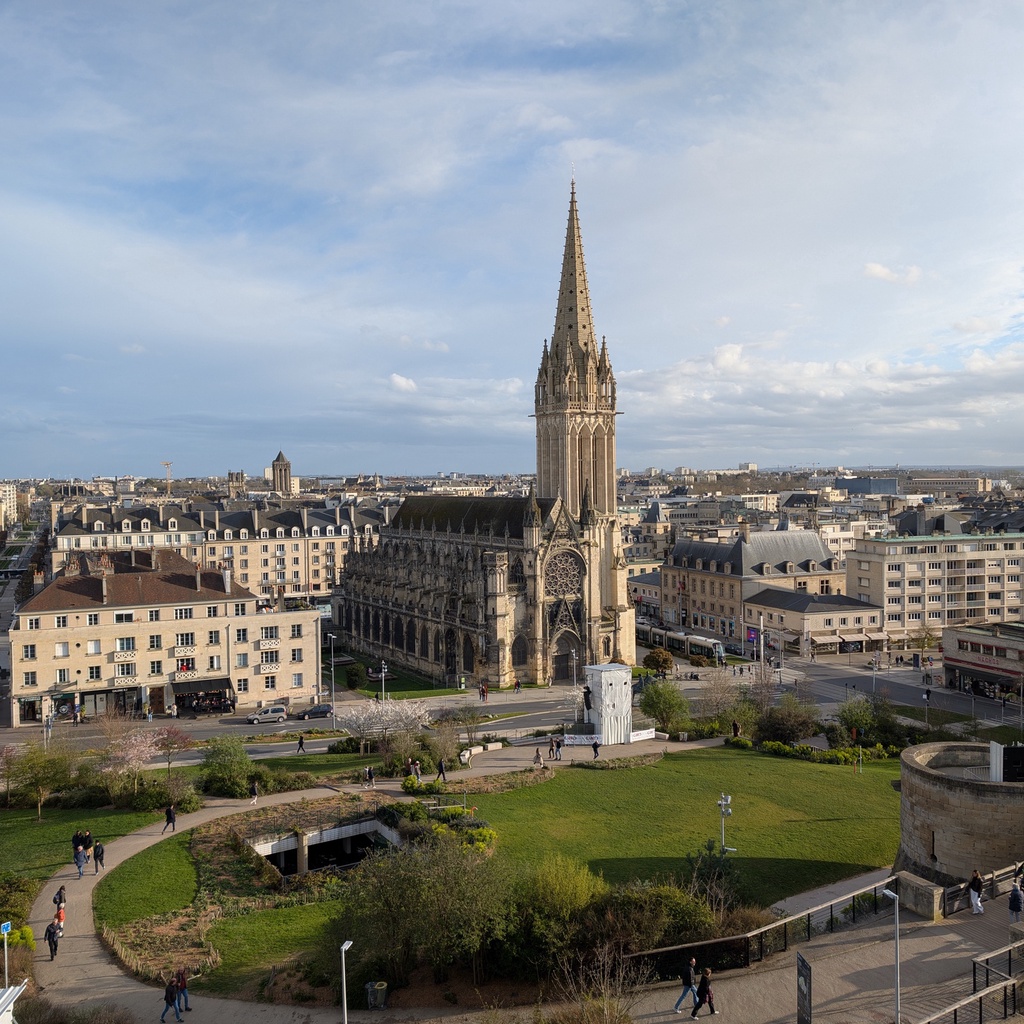
Must see of Caen
Caen
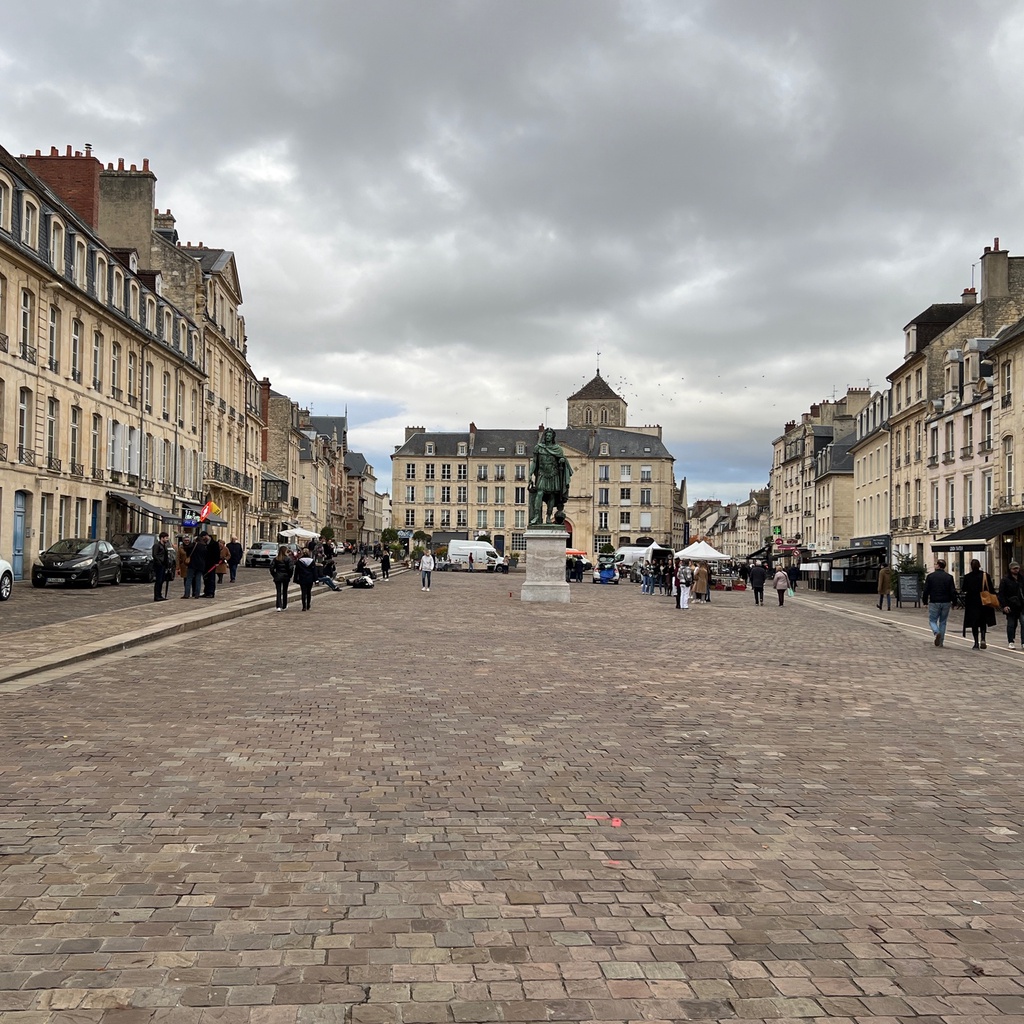
Historic Caen: From William the Conqueror to Medieval Streets
Caen
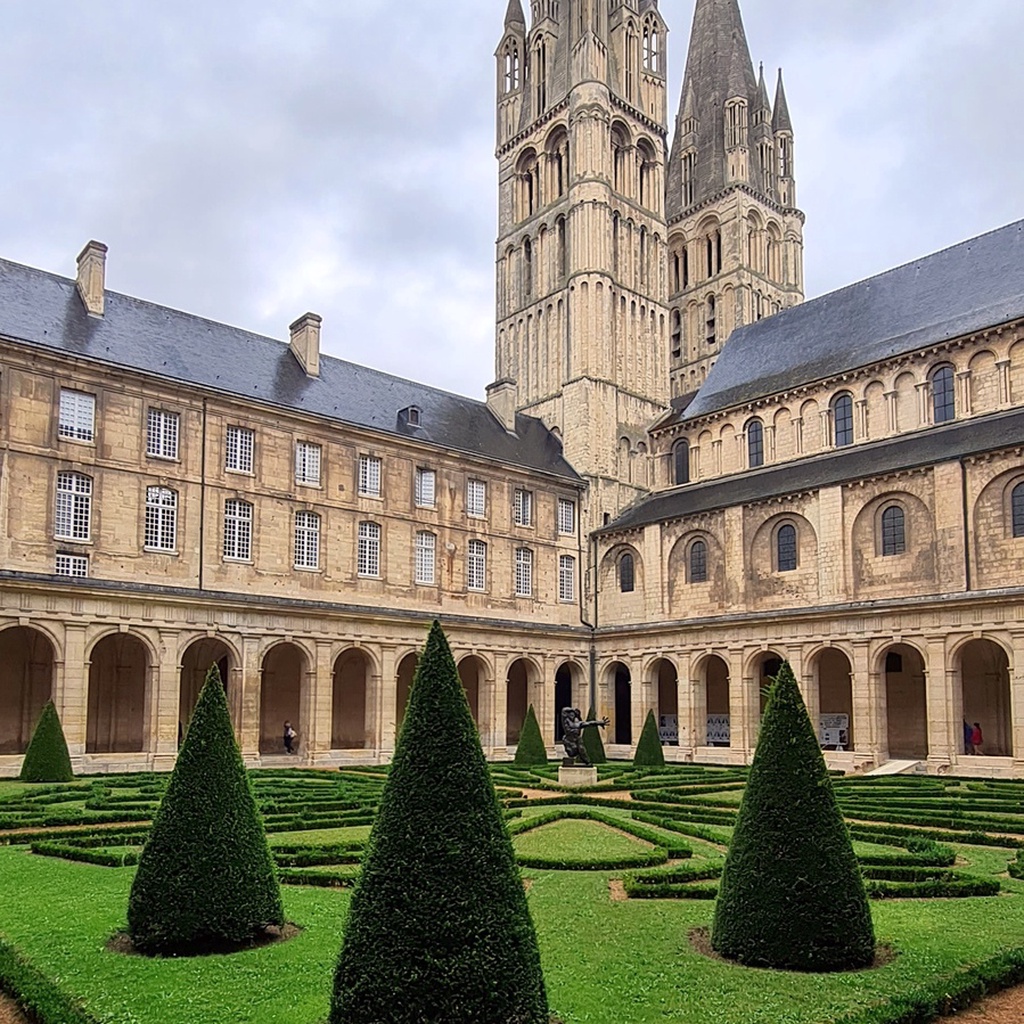
Historic Caen in one day
Caen
Multi-day Itineraries
View complete itinerariesPlanning a longer trip? These multi-day itineraries incorporate this attraction into complete travel experiences with accommodation, transport, and daily schedules.
This attraction is featured in comprehensive multi-day trips with full logistics included.
Entire Normandy in 12 days
Caen → Bayeux → Granville → ...
Complete D-Day Tour in 8 Days
Bayeux → Caen
Caen for a weekend
Caen