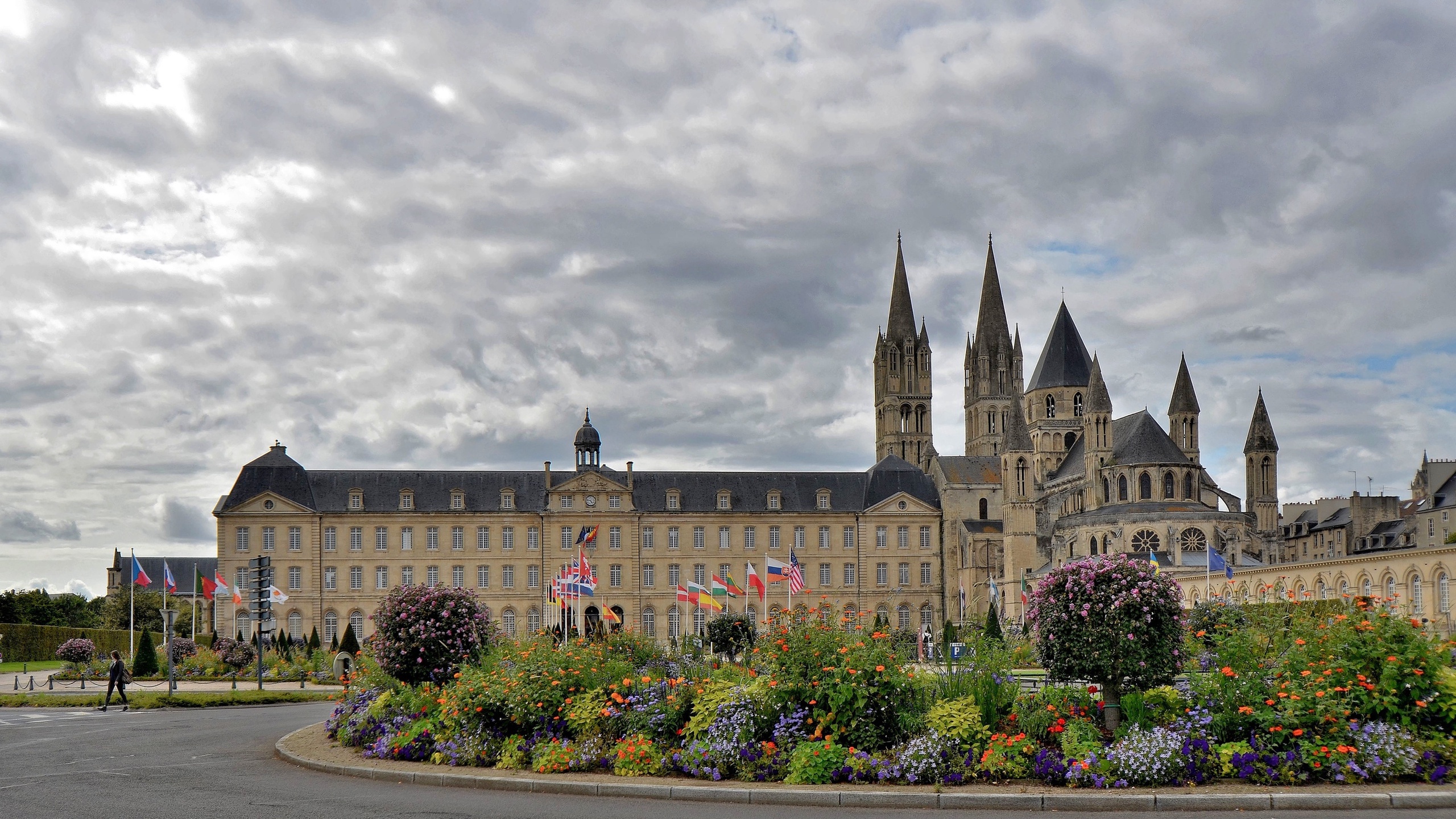
Abbaye aux Hommes (Saint-Étienne)
About Abbaye aux Hommes (Saint-Étienne)
The Abbaye aux Hommes (Men's Abbey) is a magnificent Benedictine abbey founded in 1063 by William the Conqueror as penance for his controversial marriage to his cousin Mathilde. The complex consists of two main parts: the Romanesque-Gothic Church of Saint-Étienne, which houses William the Conqueror's tomb in the choir, and the 18th-century monastery buildings that now serve as Caen's City Hall. Visitors can explore the stunning church with its pioneering sexpartite vaults (an architectural innovation from 1115) and the beautifully preserved Tuscan-style cloister. Guided tours of the abbey buildings reveal the Chapter House, Sacristy, and Guards' Hall, while providing insights into the abbey's tumultuous history through the Wars of Religion and World War II, when 10,000 Caen residents took shelter here during the 1944 bombardments. The church is free to visit, while abbey building tours are available as self-guided or with professional guides in French and English.
Interesting Facts
During William the Conqueror's funeral in 1087, a citizen of Caen dramatically interrupted the ceremony, claiming his family had been illegally dispossessed of the land where the church was built. The allegation proved true, and the man was compensated on the spot before the burial could continue. Centuries later in 1562, Protestant forces desecrated the magnificent marble tomb during the Wars of Religion, scattering William's bones—only a single femur was saved and is still preserved today.
The abbey was built using the distinctive white Caen limestone that later became famous across medieval Europe. After William conquered England in 1066, this prized stone was shipped across the English Channel to construct some of Britain's most iconic landmarks, including the Tower of London, Canterbury Cathedral, and Westminster Abbey. The stone's fine grain made it perfect for detailed carvings and has given these buildings their characteristic appearance.
The abbey's architectural innovations profoundly influenced English church design. Lanfranc of Pavia, the first abbot who later became Archbishop of Canterbury, brought Lombardian architectural elements to Normandy, and after 1066, these same design principles spread throughout England. The twin-tower façade of the abbey church became a model for English cathedrals, and the revolutionary sexpartite vaults developed here around 1115 helped pave the way for the Gothic cathedral movement that would transform European architecture.
Planning Your Visit
Opening Hours
Ticket Prices
Self-Guided Visit
Guided Tour
RecommendedLocation & Practical Info
Address
Esplanade Jean-Marie Louvel, 14000 Caen, France
Day Routes
Explore all day routesThese carefully curated day itineraries include this attraction and show you exactly how to plan your visit, including transport, timing, and what else to see nearby.
Want to visit this attraction? These routes show you how to get here and what to combine it with.
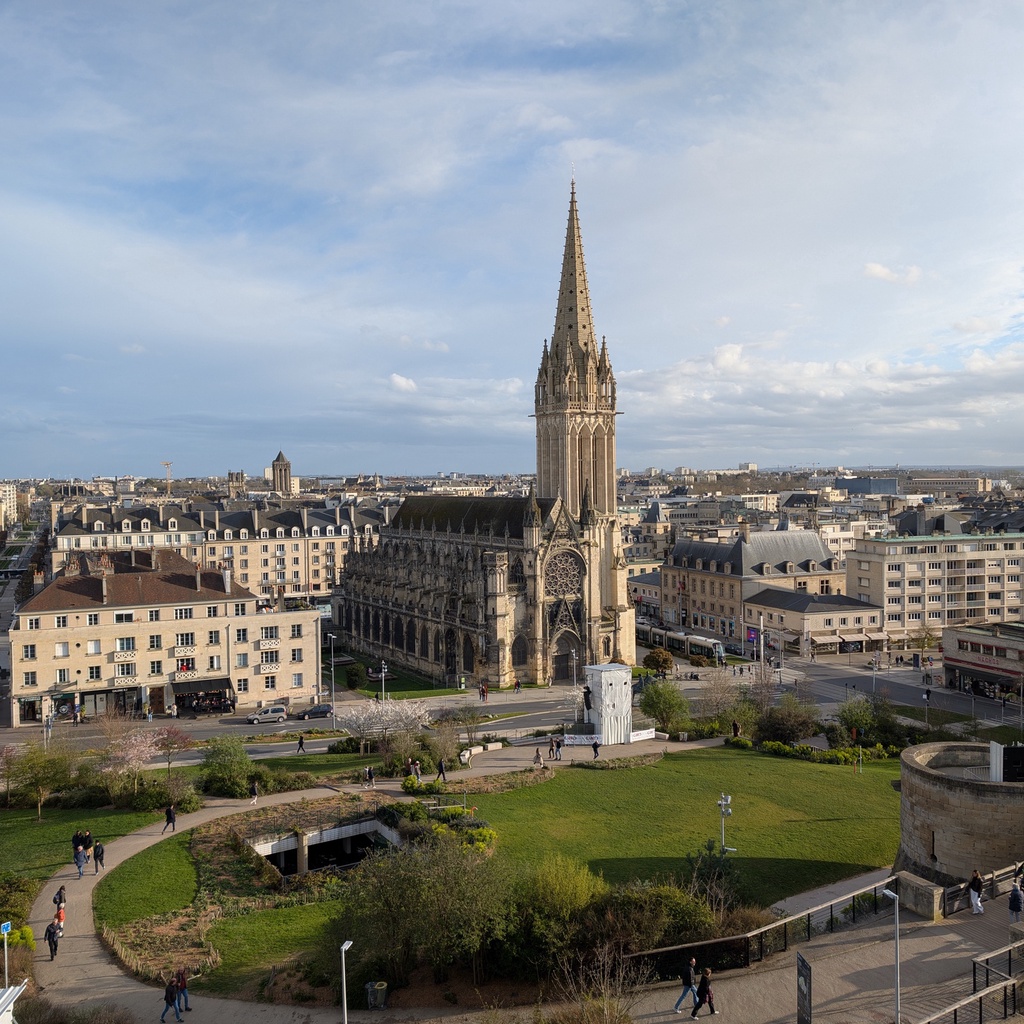
Must see of Caen
Caen
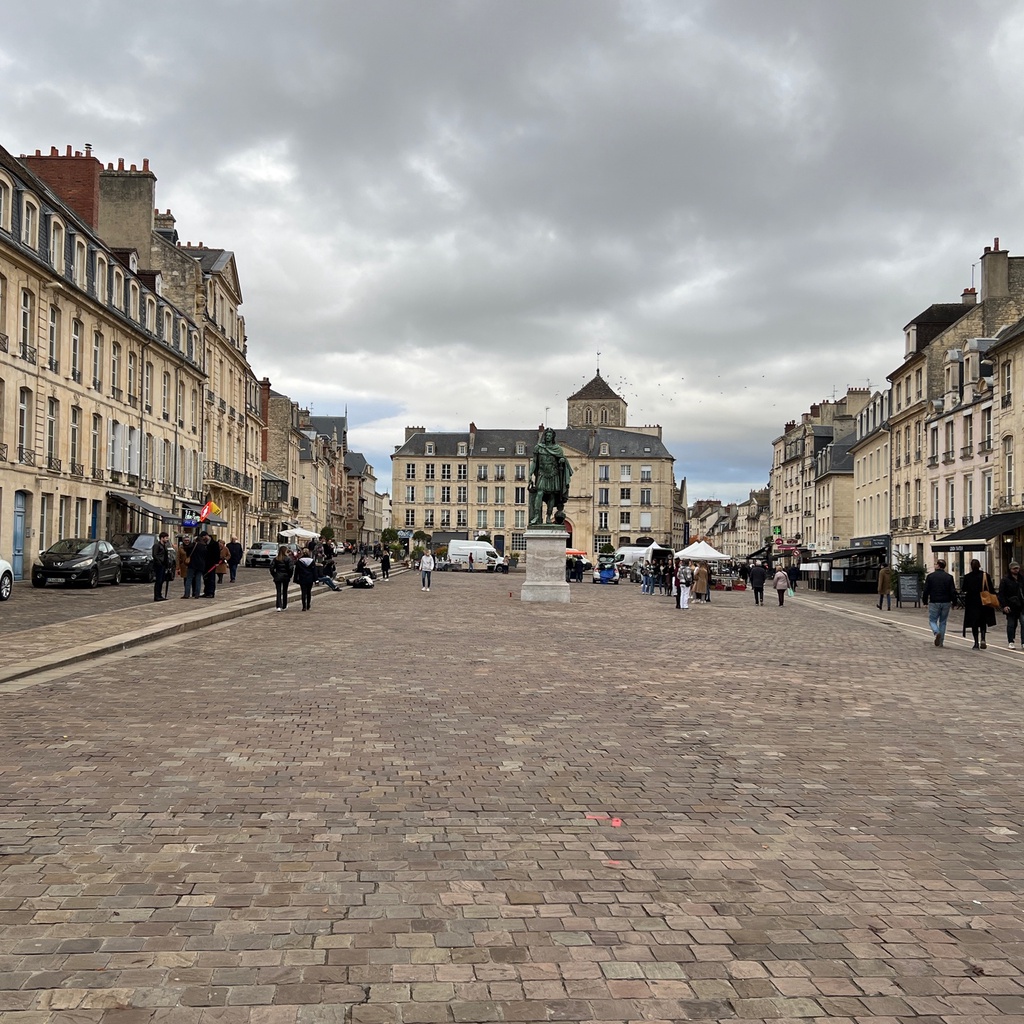
Historic Caen: From William the Conqueror to Medieval Streets
Caen
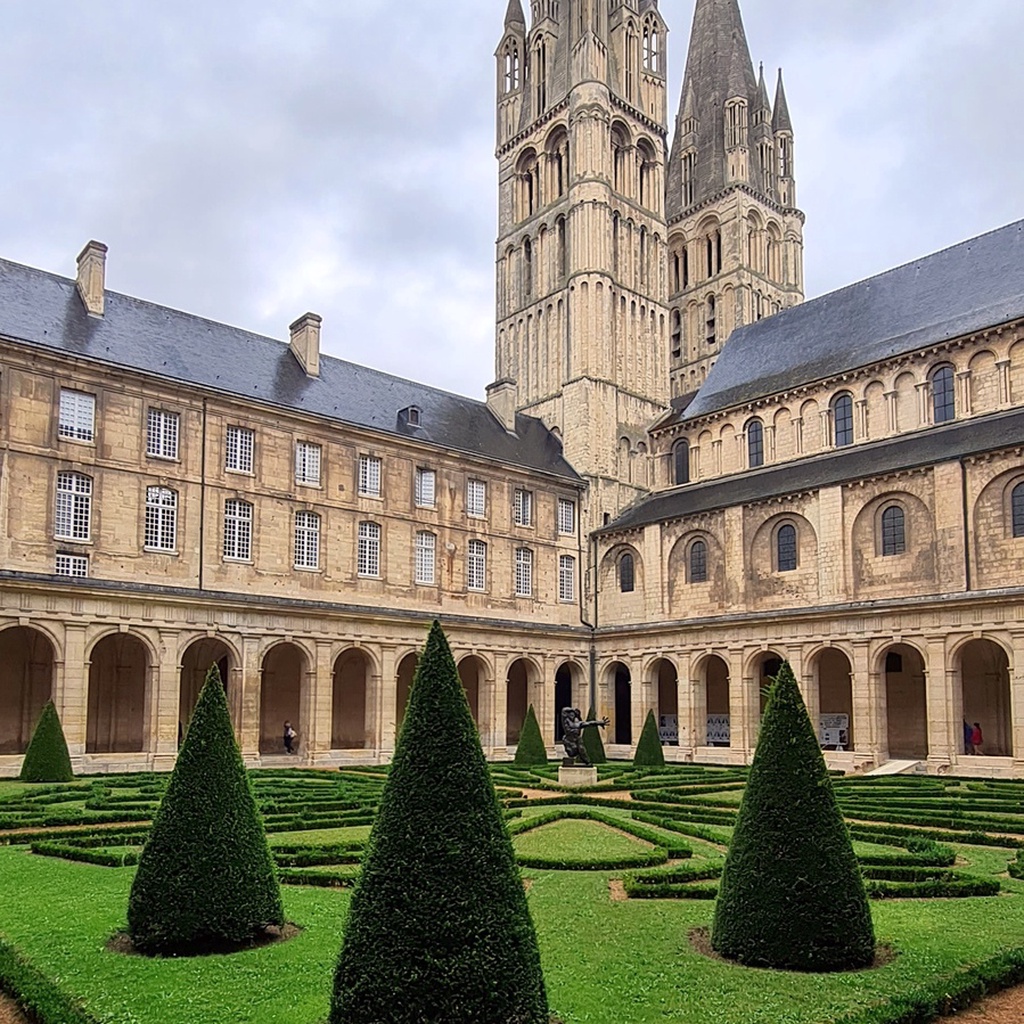
Historic Caen in one day
Caen
Multi-day Itineraries
View complete itinerariesPlanning a longer trip? These multi-day itineraries incorporate this attraction into complete travel experiences with accommodation, transport, and daily schedules.
This attraction is featured in comprehensive multi-day trips with full logistics included.
Entire Normandy in 12 days
Caen → Bayeux → Granville → ...
Complete D-Day Tour in 8 Days
Bayeux → Caen
Caen for a weekend
Caen