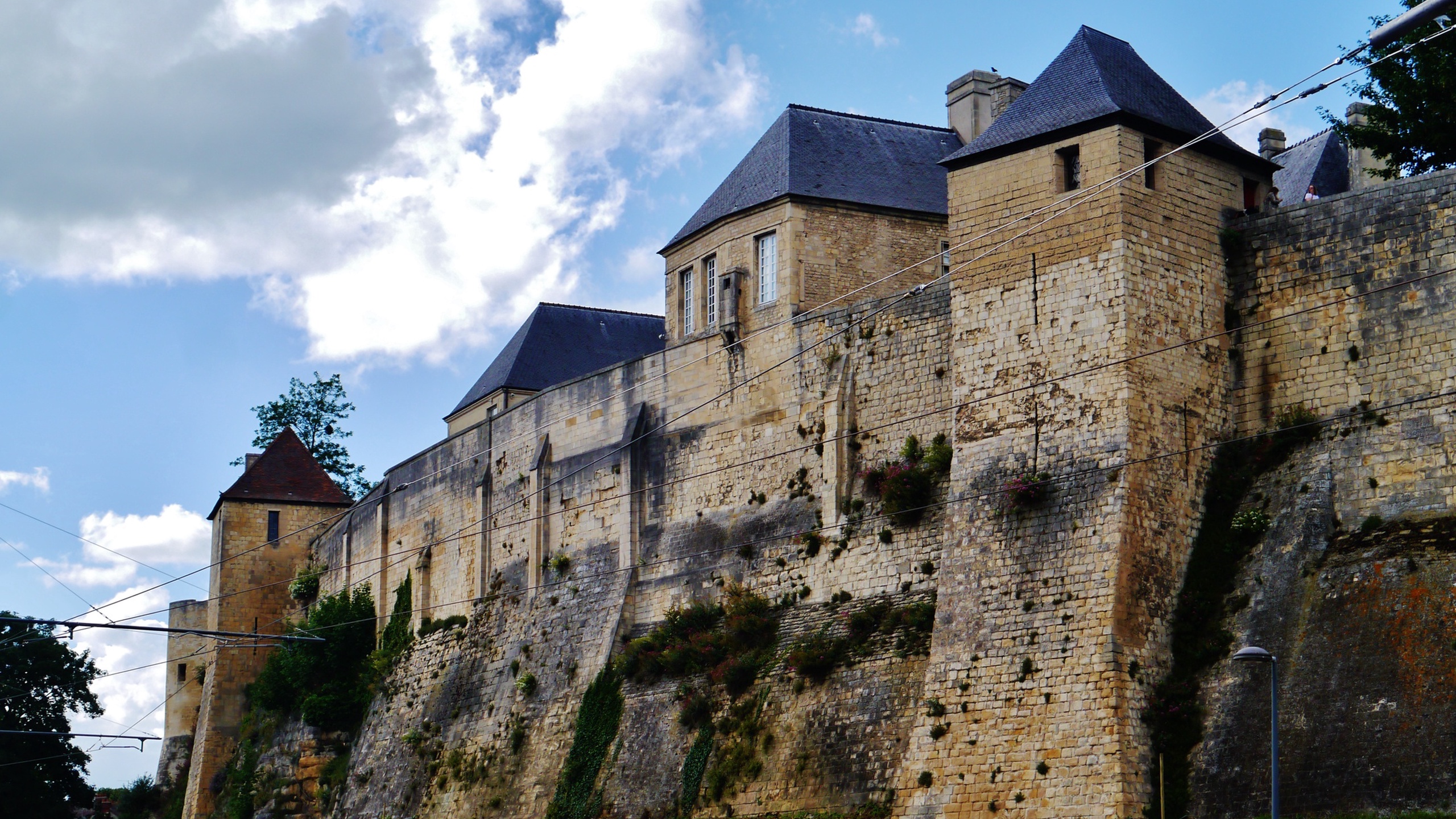
Château de Caen
About Château de Caen
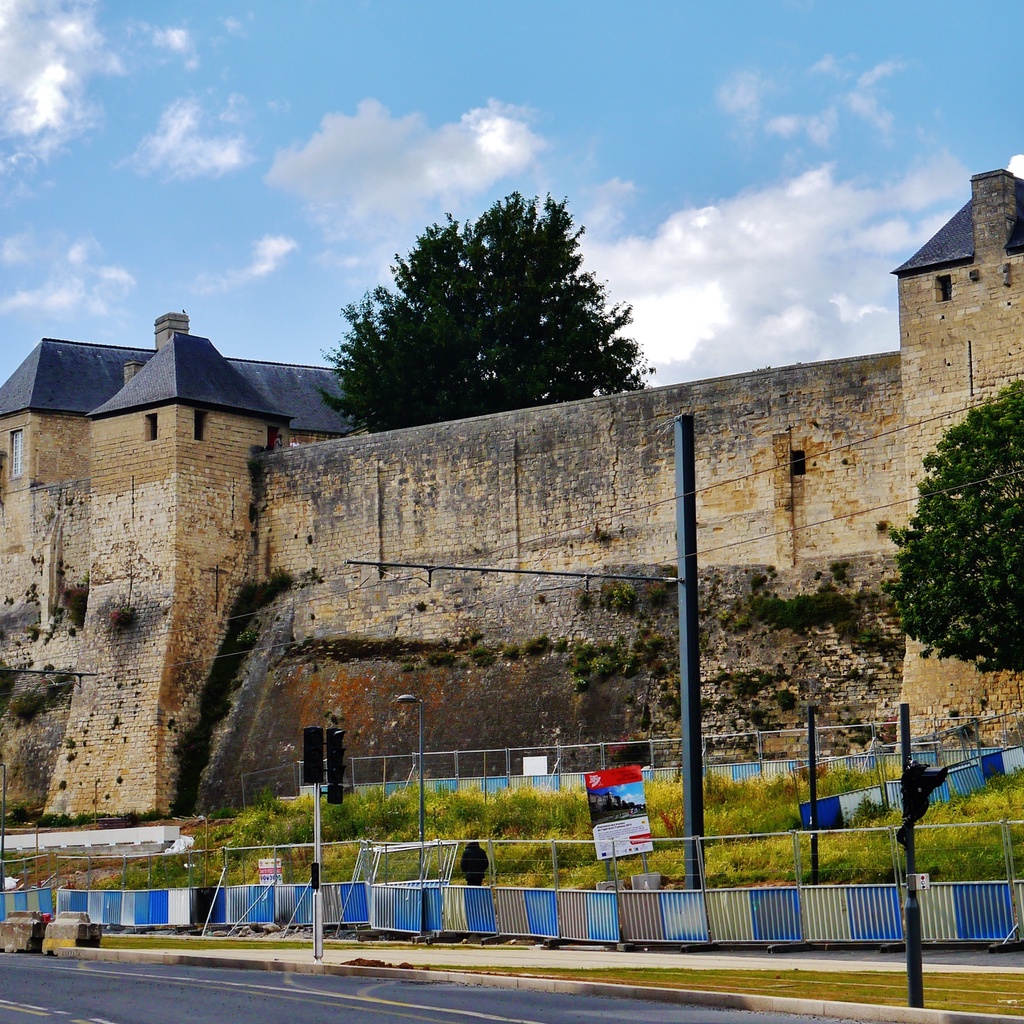
The Château de Caen is a massive medieval fortress built around 1060 by William the Conqueror, spanning 5.5 hectares and ranking among the largest castle enclosures in Europe. Serving as the second capital of Normandy and a ducal residence, the castle was strategically constructed to control the rebellious barons of Cotentin and served as William's power base before the Norman Conquest of England in 1066. The fortress features imposing ramparts, the 12th-century Saint George's Church, the rare Romanesque Exchequer Hall (Salle de l'Échiquier), and the ruins of the original keep demolished during the French Revolution in 1793. Visitors can freely explore the fortified walls with panoramic views of Caen, stroll through the beautifully landscaped 4-hectare park, and discover Queen Mathilde's Tower. The castle grounds also house two major museums – the Musée de Normandie and the Musée des Beaux-Arts – both requiring separate admission. The site is classified as a Historical Monument since 1997 and offers an exceptional glimpse into medieval Norman architecture and history. Access to the castle grounds is free daily from 7:30 AM to 10:30 PM, making it perfect for both quick visits and leisurely exploration.
Interesting Facts
The Château de Caen miraculously survived the devastating Battle of Caen in 1944, when Allied forces bombed the city for over two months. While 75% of Caen was reduced to rubble during the Normandy landings, the ancient fortress remained largely intact, providing refuge to over 1,500 civilians who sheltered within its massive walls during the bombardment.
William the Conqueror likely planned his famous 1066 invasion of England from within these very walls. The castle served as his primary military headquarters in Normandy, and historians believe the strategic details of the Norman Conquest were discussed in the now-ruined keep before the fleet set sail for English shores.
The Exchequer Hall (Salle de l'Échiquier) inside the castle is one of the oldest and finest examples of Romanesque civil architecture in France. Built around 1100 by Henry I, it originally served as the financial and administrative center where the Norman dukes collected taxes – the checkered tablecloth used for counting coins gave the 'Exchequer' its name.
Planning Your Visit
Opening Hours
Location & Practical Info
Address
Château de Caen, 14000 Caen, France
Day Routes
Explore all day routesThese carefully curated day itineraries include this attraction and show you exactly how to plan your visit, including transport, timing, and what else to see nearby.
Want to visit this attraction? These routes show you how to get here and what to combine it with.
Multi-day Itineraries
View complete itinerariesPlanning a longer trip? These multi-day itineraries incorporate this attraction into complete travel experiences with accommodation, transport, and daily schedules.
This attraction is featured in comprehensive multi-day trips with full logistics included.
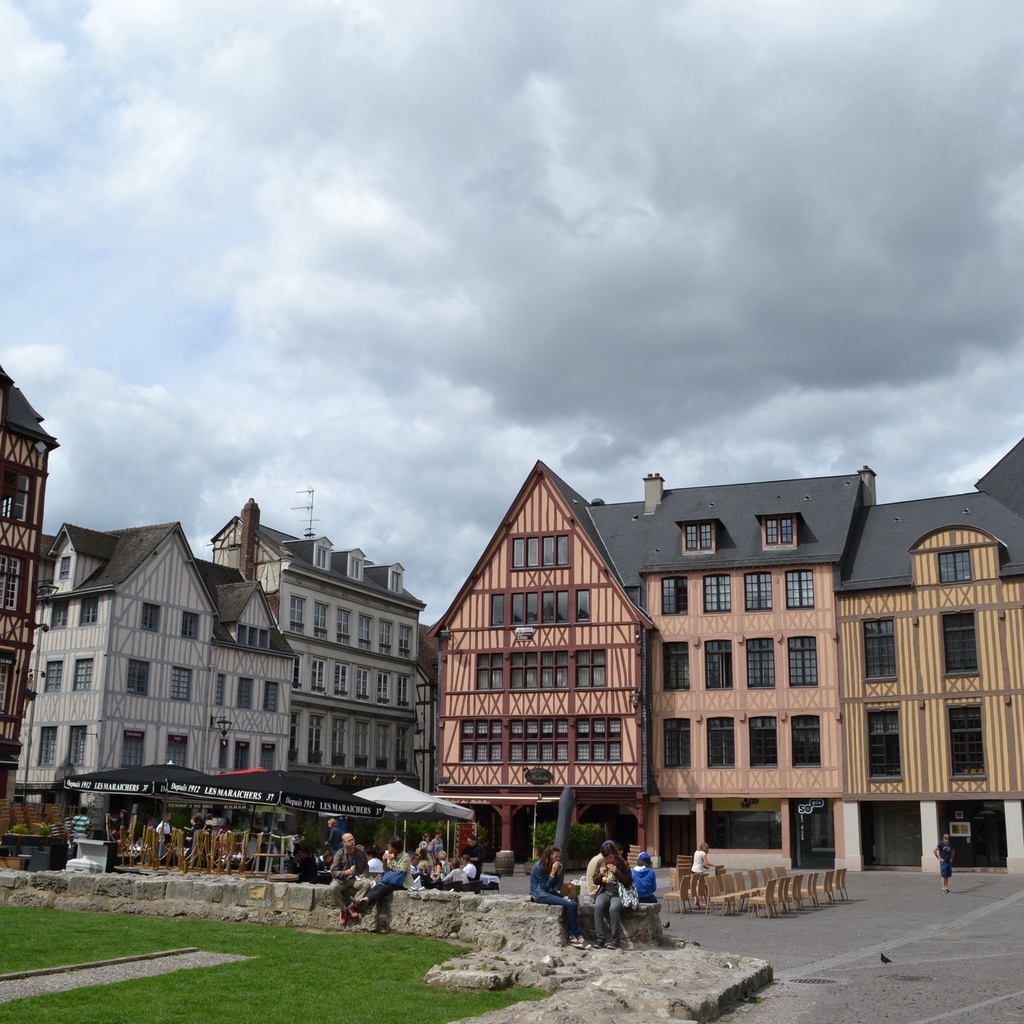
Entire Normandy in 12 days
Caen → Bayeux → Granville → ...
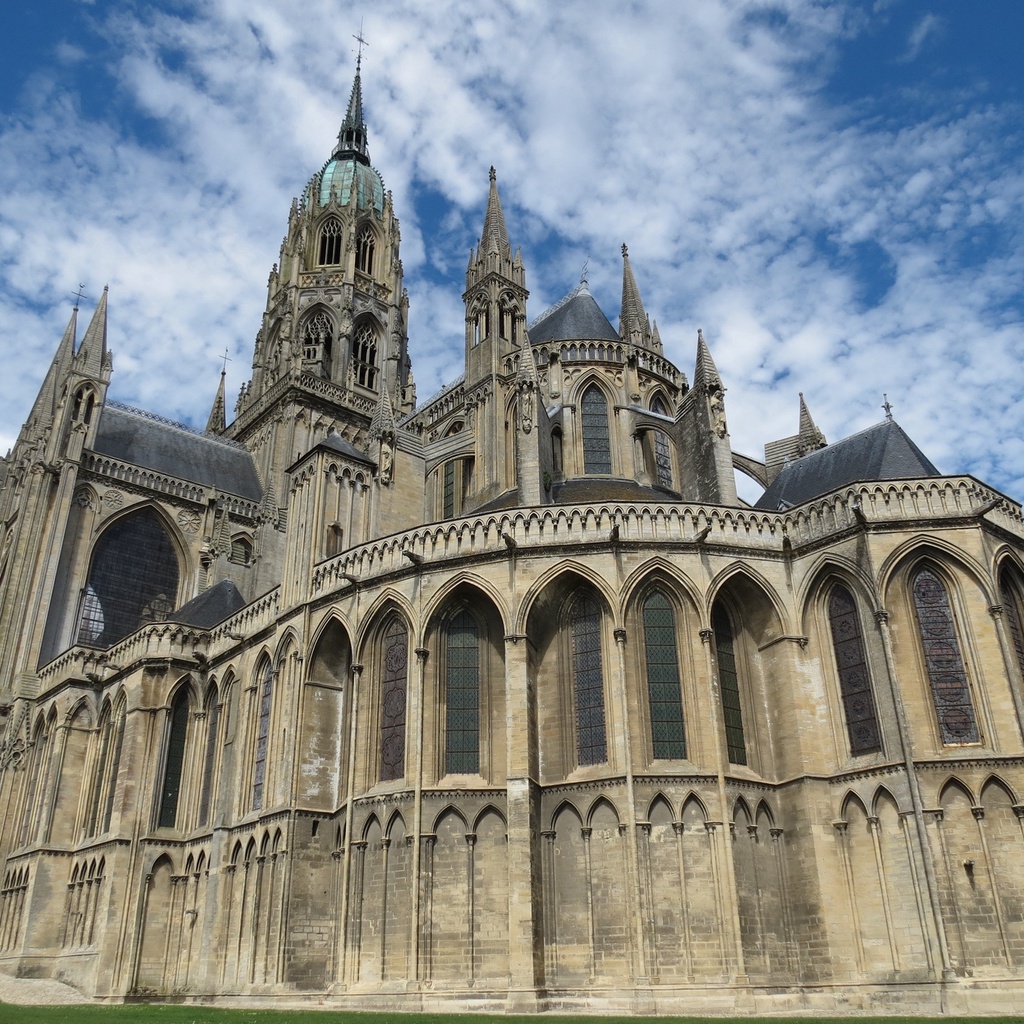
Complete D-Day Tour in 8 Days
Bayeux → Caen
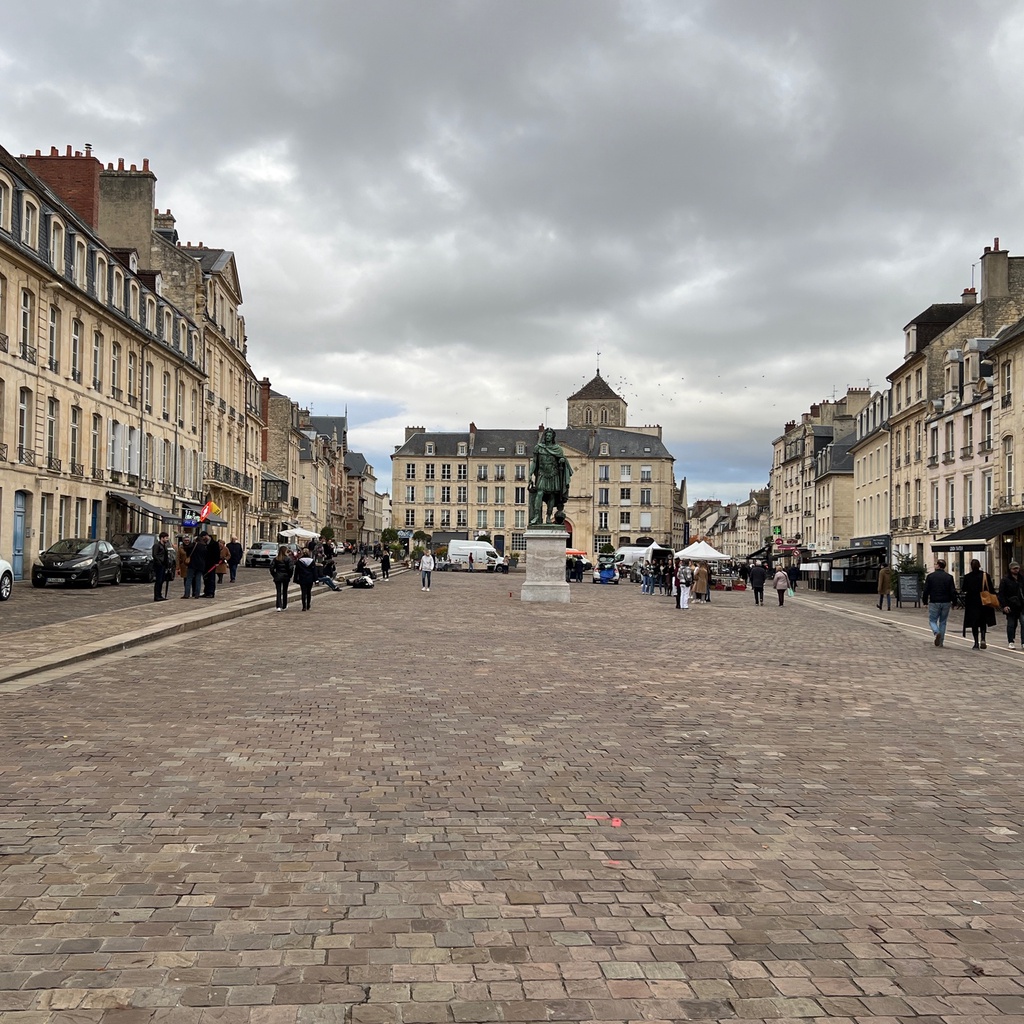
Caen for a weekend
Caen