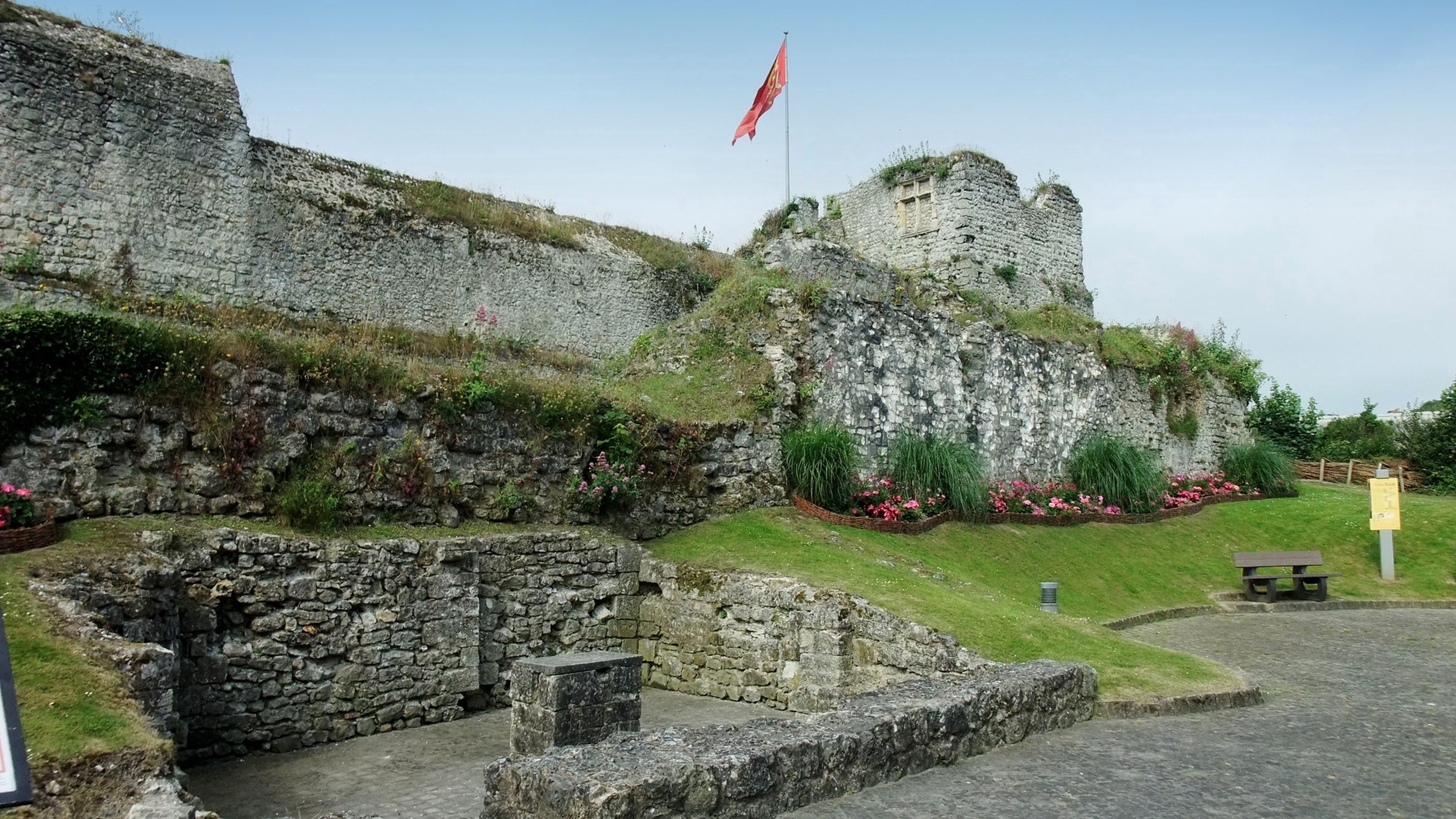
Ducal Palace (Palais Ducal)
About Ducal Palace (Palais Ducal)
The Ducal Palace is a remarkable archaeological site containing the ruins of the medieval residence of the first Dukes of Normandy, built progressively during the 10th, 11th, and 12th centuries. This historic palace served as the principal seat of power for early Norman rulers, including Richard I 'the Fearless' who was born here around 933, and Richard II who transformed it from a wooden structure into an impressive stone fortress with defensive walls. Most famously, William the Conqueror celebrated his victory at the Battle of Hastings with a lavish Easter banquet here in 1067. Today visitors can see the impressive high stone walls from the 12th-century palace, remnants of the fortification system, and foundation arches from the 11th century. Access to the interior ruins is by guided tour only through the Fécamp Tourism Office - exterior viewing from the street is free. The site is one of only four 10th-century princely residences in France to have been scientifically excavated, making it exceptionally rare and historically significant. Contact the Tourism Office at +33 2 35 10 60 96 to book a guided tour and check available dates.
Interesting Facts
In 1963, archaeologists discovered a treasure trove of coins buried around 970-980 CE at this site. The hoard contained mainly Frankish and Anglo-Saxon coins, but also included coins of Mediterranean origin, revealing the extensive trade networks and wealth of the early Norman dukes.
The palace's earliest foundations date back even further than the Norman period - excavations revealed remains of two Carolingian chapels from the 9th century, proving that this site was already an important religious and political center before the Vikings arrived.
The last major event recorded at the palace was in 1162, when King Henry II Plantagenet organized the ceremonial transfer of the remains of Richard I and Richard II from the palace to the nearby Trinity Abbey. After William the Conqueror moved his court to Caen, the palace gradually fell into decline.
Planning Your Visit
Opening Hours
Location & Practical Info
Address
Place des Ducs Richard, 76400 Fécamp, France
Day Routes
Explore all day routesThese carefully curated day itineraries include this attraction and show you exactly how to plan your visit, including transport, timing, and what else to see nearby.
Want to visit this attraction? These routes show you how to get here and what to combine it with.
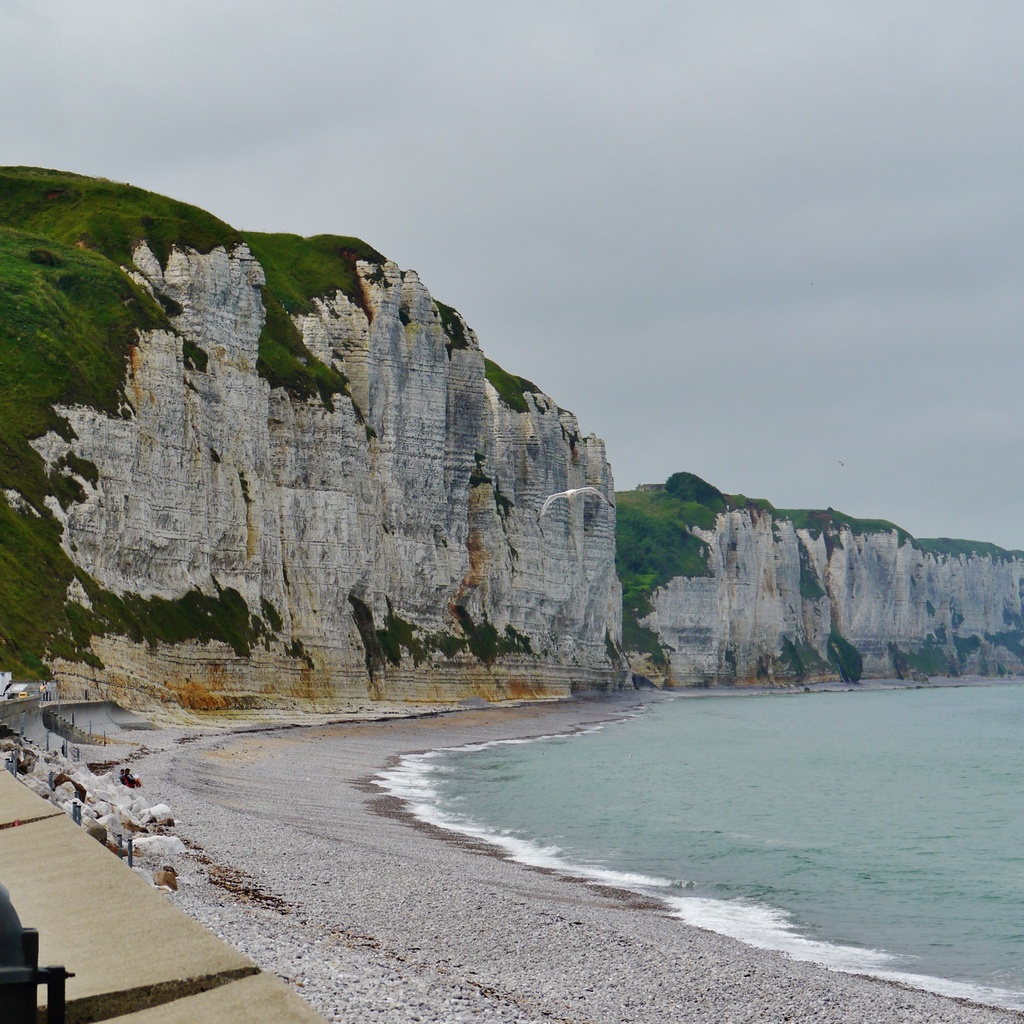
Complete Fécamp in one day
Fécamp
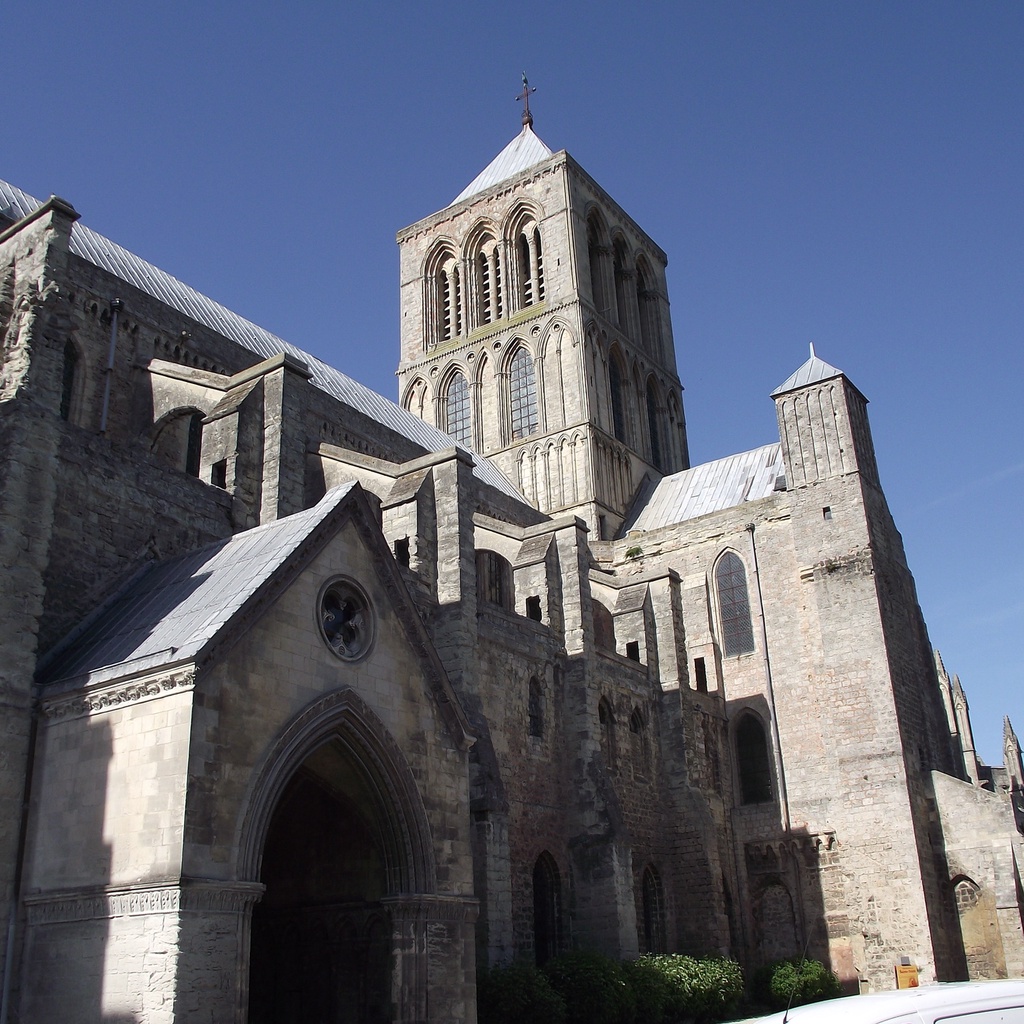
Cliffs, churches and history of Fécamp
Fécamp
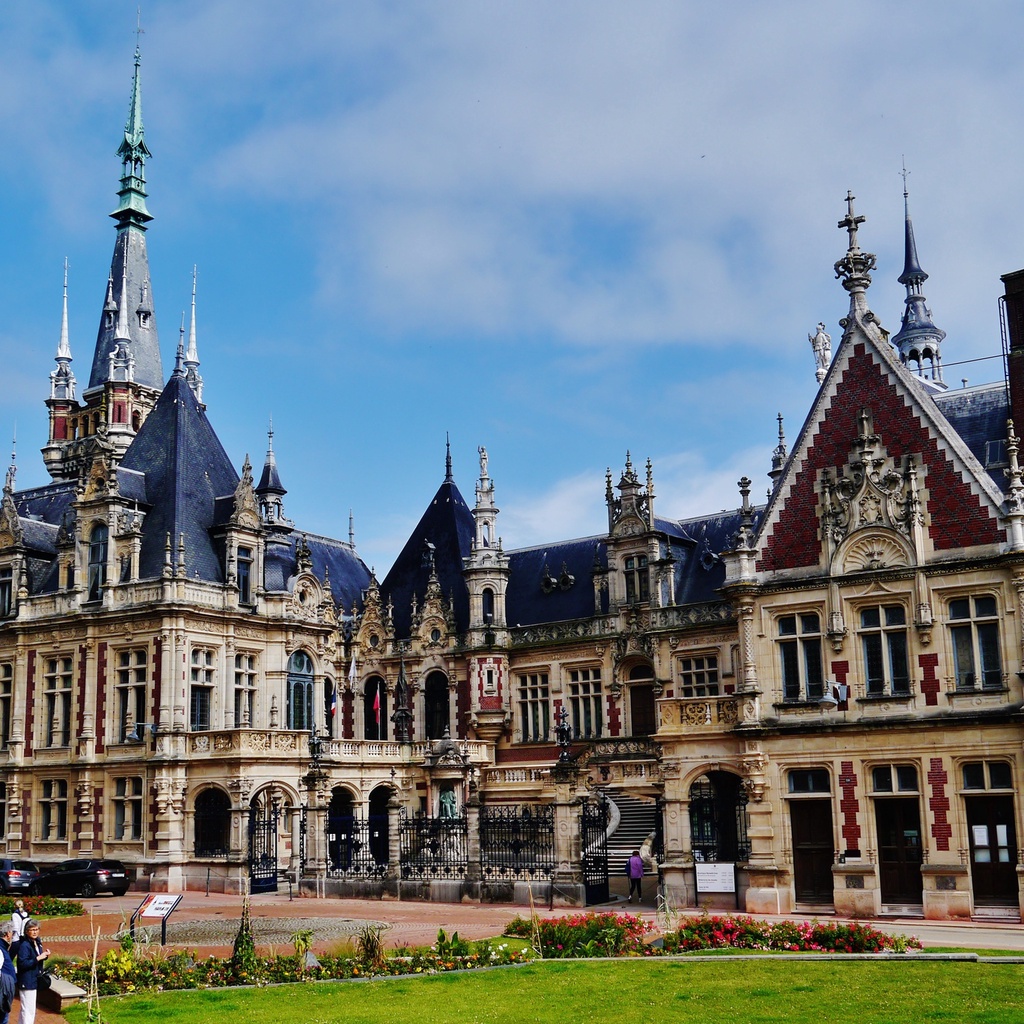
Must see of Fécamp
Fécamp
Multi-day Itineraries
View complete itinerariesPlanning a longer trip? These multi-day itineraries incorporate this attraction into complete travel experiences with accommodation, transport, and daily schedules.
This attraction is featured in comprehensive multi-day trips with full logistics included.
Complete Seine-Maritime in 18 days
Dieppe → Le Treport → Rouen → ...
Alabaster Coast in 9 days
Le Havre → Fécamp → Dieppe → ...
Rouen and Le Havre in a week
Rouen → Le Havre