Shipowner's House
About Shipowner's House
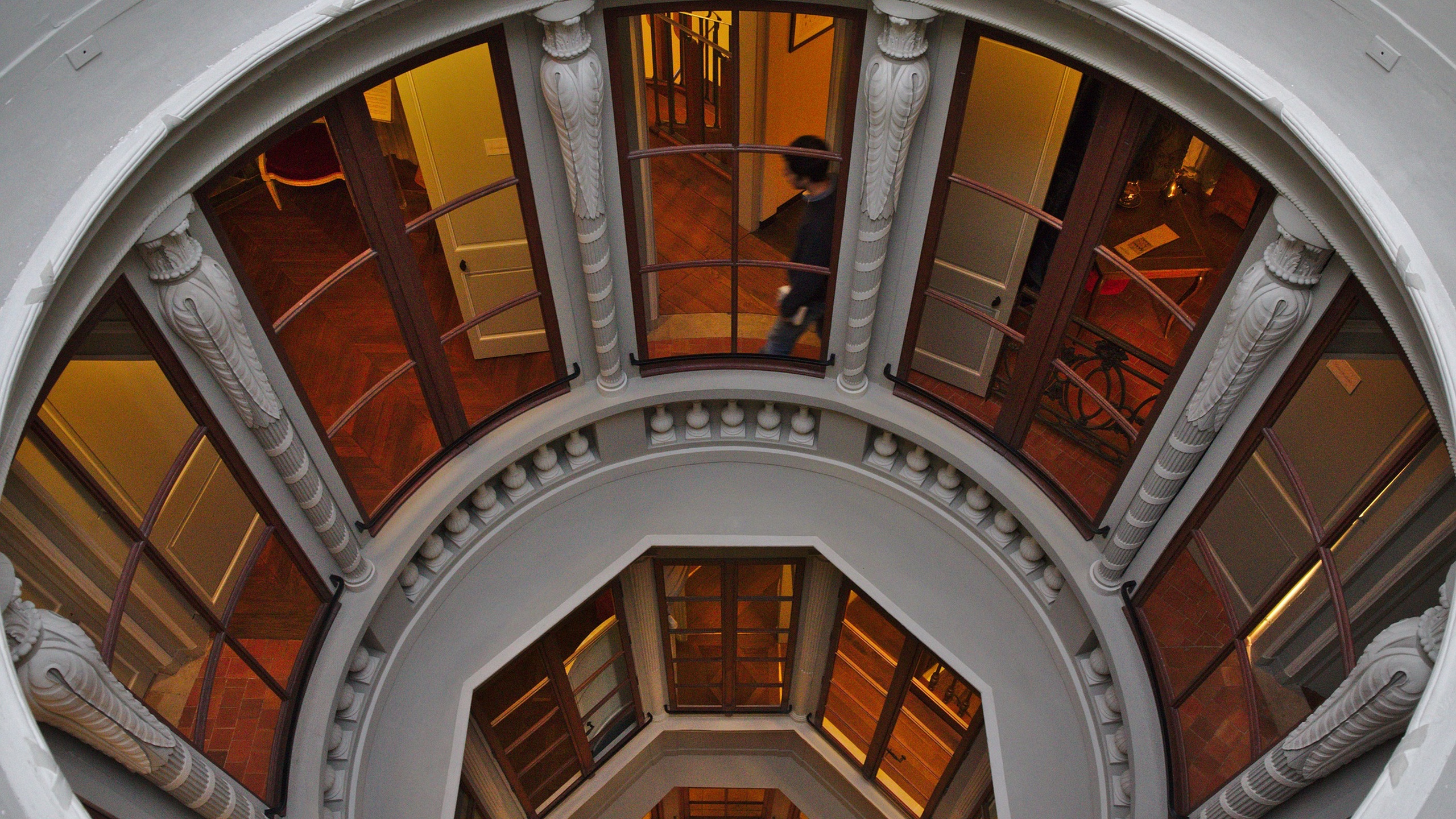
The Shipowner's House (Maison de l'Armateur) is an exceptional 18th-century historic house museum and one of the rare survivors of Le Havre's pre-war architecture, having miraculously escaped the devastating 1944 Allied bombings that destroyed 80% of the city. Built around 1790 by city architect Paul-Michel Thibault, this elegant five-story townhouse was purchased in 1800 by Martin-Pierre Foäche, a wealthy shipowner and merchant who used it as both his winter residence and maritime trading offices. The building's most remarkable feature is its unique octagonal light well that organizes all 20 rooms in a radial pattern, topped by a conical skylight - an extremely rare architectural solution for 18th-century French domestic architecture. The neoclassical interiors, designed by former royal cabinet designer Pierre-Adrien Pâris, showcase exotic wood parquets, geometric stone floors, stucco work, and period furnishings that recreate the refined atmosphere of wealthy merchant life. Visitors can explore five levels of exhibits featuring portraits, decorative objects, ship models, and artifacts documenting the Foäche family collection and Le Havre's maritime trade history. The museum is currently closed for renovations until January 2026 - check the official website before planning your visit.
Interesting Facts
The building has a complex and sobering history tied to the transatlantic slave trade. Martin-Pierre Foäche, who purchased the house in 1800, built his fortune through slave trafficking and owned multiple plantations in Saint-Domingue (now Haiti). The museum is now recognized by the Foundation for the Memory of Slavery, making it an important site for understanding this dark chapter of Le Havre's maritime history.
During World War II, German occupying forces painted the entire building in camouflage patterns to hide it from Allied bombers targeting the port. While the camouflage helped the building survive the devastating 1944 bombardment, traces of the wartime paint weren't fully removed until the 1990s restoration, when the original 18th-century stonework was finally revealed again.
After the Foäche family's decline following the Haitian Revolution (which ended slavery in Saint-Domingue and destroyed their plantation wealth), the building led a varied life. It was converted into fashionable hotels - first the Hôtel des États-Unis, then the Hôtel d'Helvétie - before becoming a simple rental building. The city purchased it in 1954 and spent over 50 years restoring it before opening it as a museum in 2006.
Planning Your Visit
Opening Hours
Ticket Prices
Museum Entry
RecommendedLocation & Practical Info
Address
3 Quai de l'Île, Quartier Saint-François, 76600 Le Havre, France
Day Routes
Explore all day routesThese carefully curated day itineraries include this attraction and show you exactly how to plan your visit, including transport, timing, and what else to see nearby.
Want to visit this attraction? These routes show you how to get here and what to combine it with.
Multi-day Itineraries
View complete itinerariesPlanning a longer trip? These multi-day itineraries incorporate this attraction into complete travel experiences with accommodation, transport, and daily schedules.
This attraction is featured in comprehensive multi-day trips with full logistics included.