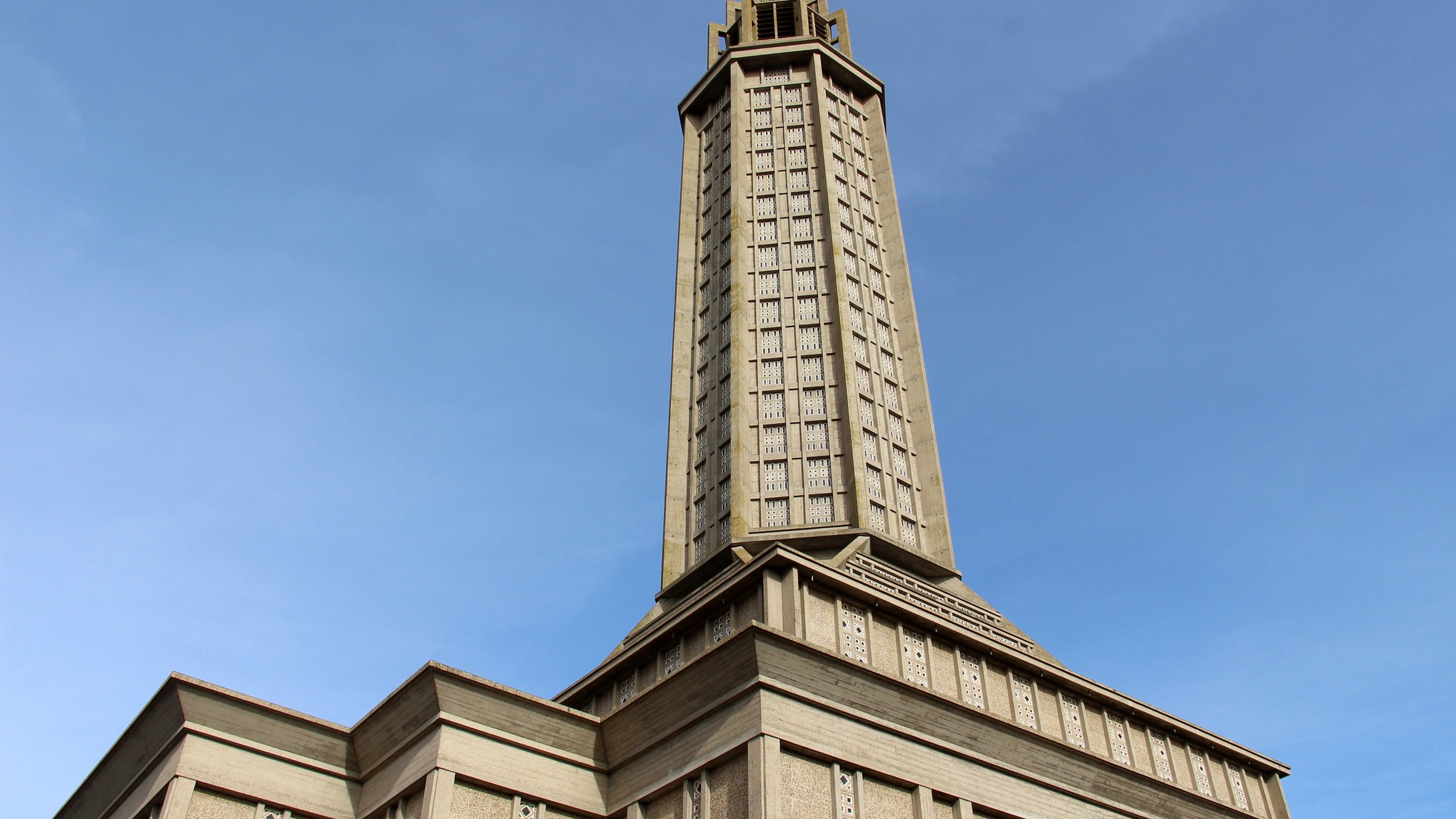
Saint Joseph's Church
About Saint Joseph's Church
Saint Joseph's Church is a masterpiece of 20th-century religious architecture and the most iconic landmark of Le Havre, designed by pioneer architect Auguste Perret. Built between 1951 and 1957 as part of the city's post-war reconstruction, the church serves as a memorial to the nearly 3,000 civilians who died during the devastating Allied bombing raids of September 1944. The striking octagonal bell tower rises 107 meters high, functioning as both a spiritual beacon and maritime landmark visible from far out at sea. Inside, the austere concrete interior is transformed by 12,768 pieces of mouth-blown stained glass created by master glassmaker Marguerite Huré, which bathe the space in ever-changing warm colors throughout the day. The church and surrounding city center were inscribed on the UNESCO World Heritage List in 2005 as an exceptional example of post-war urban planning. Entry is free and visitors are welcome daily from 10:00 to 18:00, though it's best to avoid Saturday late afternoons and Sunday mornings due to religious services. For the most spectacular light effects, visit on a sunny day when the stained glass creates a mesmerizing kaleidoscope of colors.
Interesting Facts
Auguste Perret died in 1954, three years before his masterpiece was completed. The church was finished by his workshop colleagues Georges Brochard and Raymond Audigier, who faithfully followed his vision. In an exceptional recognition of its architectural significance, the church was classified as a Monument Historique in 1965 - just 10 years after completion, when French law typically requires buildings to be at least 100 years old for such designation.
The church's design was actually based on an unrealized 1926 project Perret had created for the Basilique Sainte-Jeanne-d'Arc in Paris. When the opportunity came to design a memorial church in Le Havre, Perret finally brought his three-decade-old vision to life, making Saint Joseph's the culmination of his life's work in reinforced concrete architecture.
The 107-meter tower was designed with multiple symbolic purposes: it serves as a memorial stele to the bombing victims, a spiritual lighthouse for the faithful, and a literal maritime landmark for ships approaching the port. Before World War II, transatlantic passengers traveling between Le Havre and New York would have seen the old city skyline - today, Saint Joseph's tower is the first monument visible to arriving ships, symbolizing the city's resurrection from destruction.
Planning Your Visit
Opening Hours
Location & Practical Info
Address
130 Boulevard François 1er, 76600 Le Havre, France
Day Routes
Explore all day routesThese carefully curated day itineraries include this attraction and show you exactly how to plan your visit, including transport, timing, and what else to see nearby.
Want to visit this attraction? These routes show you how to get here and what to combine it with.
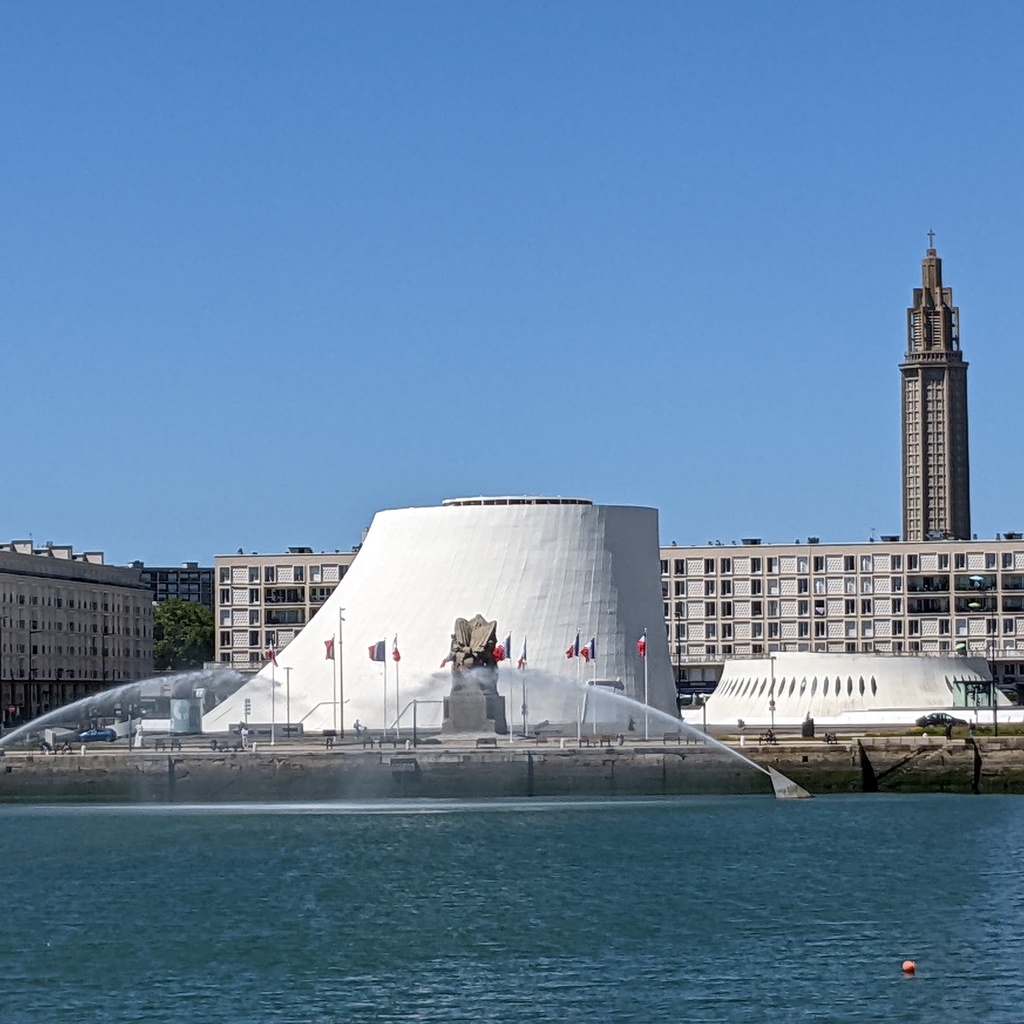
Must see of Le Havre in one day
Le Havre
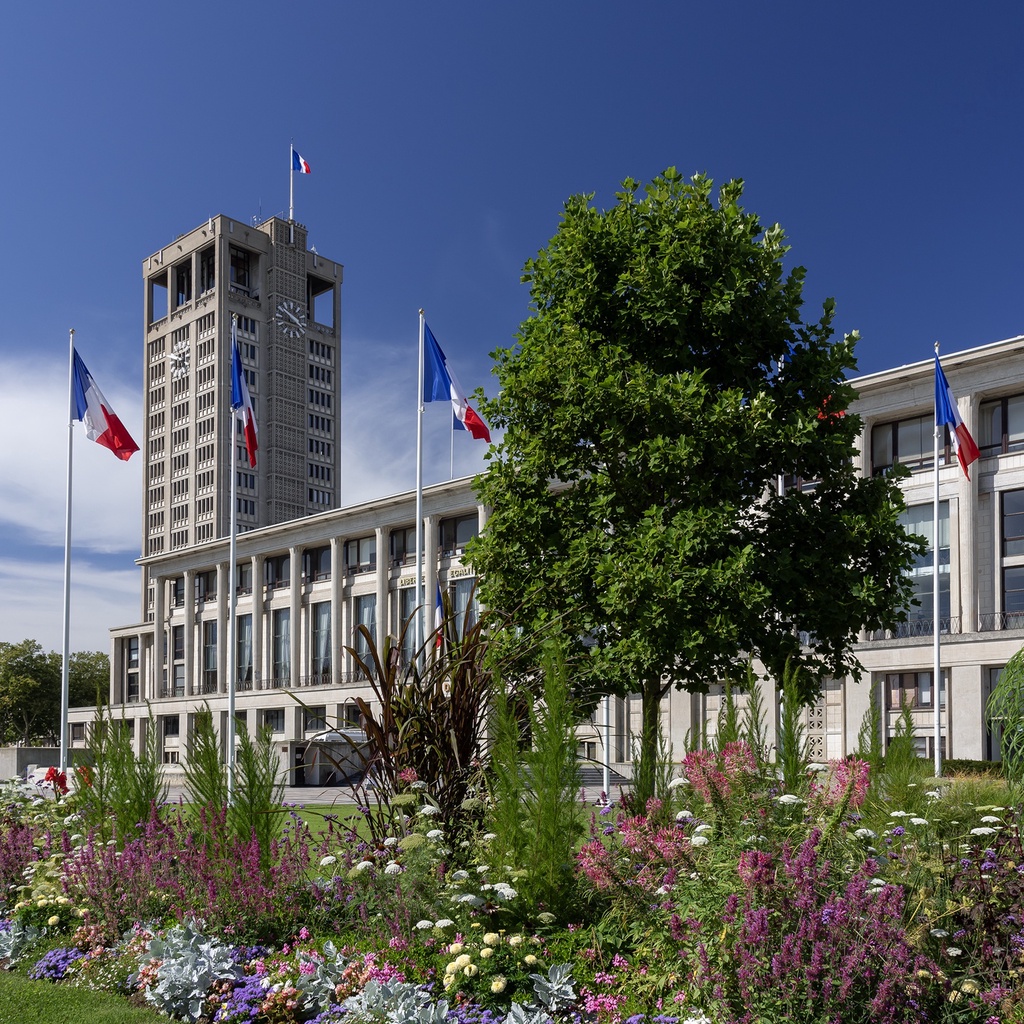
Best of Le Havre
Le Havre
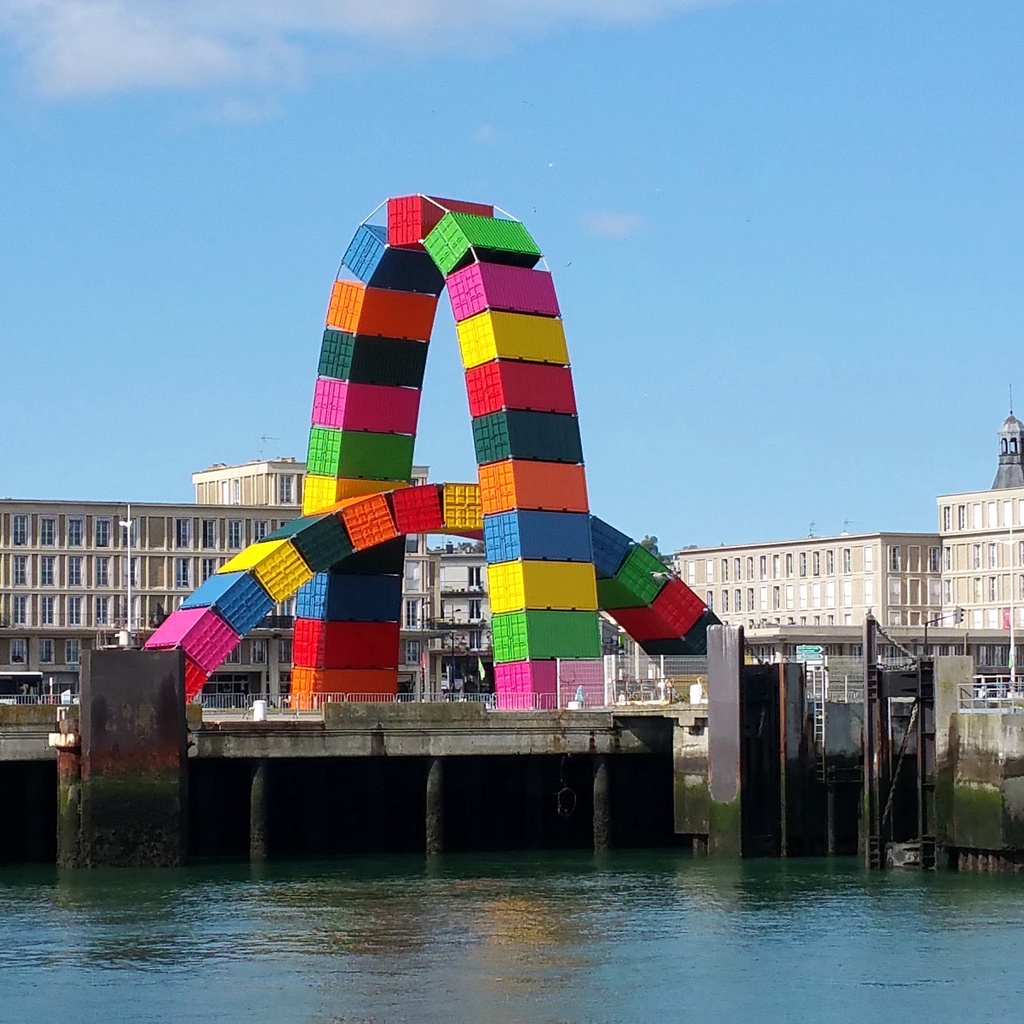
UNESCO Le Havre in one day
Le Havre
Multi-day Itineraries
View complete itinerariesPlanning a longer trip? These multi-day itineraries incorporate this attraction into complete travel experiences with accommodation, transport, and daily schedules.
This attraction is featured in comprehensive multi-day trips with full logistics included.
Entire Normandy in 12 days
Caen → Bayeux → Granville → ...
Complete Seine-Maritime in 18 days
Dieppe → Le Treport → Rouen → ...
Alabaster Coast in 9 days
Le Havre → Fécamp → Dieppe → ...