L'Aiguille (The Needle)
About L'Aiguille (The Needle)
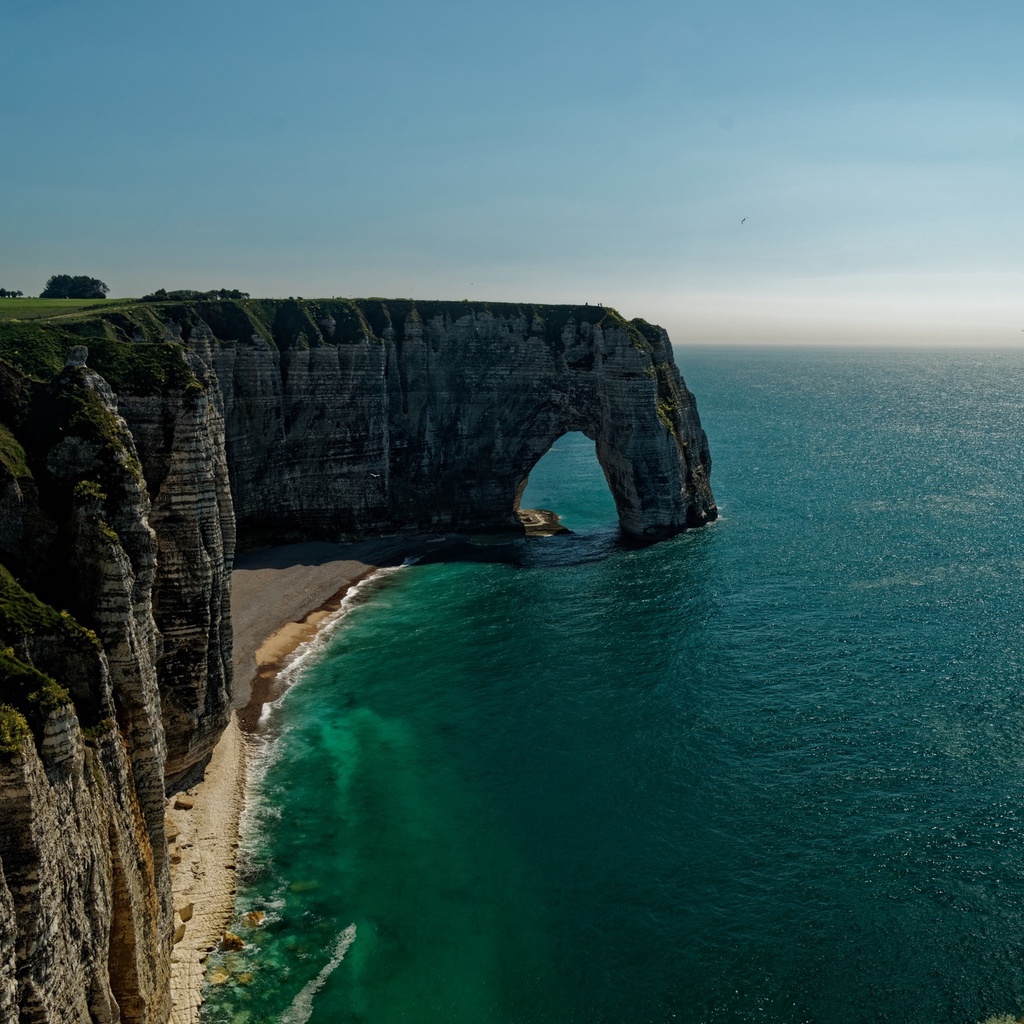
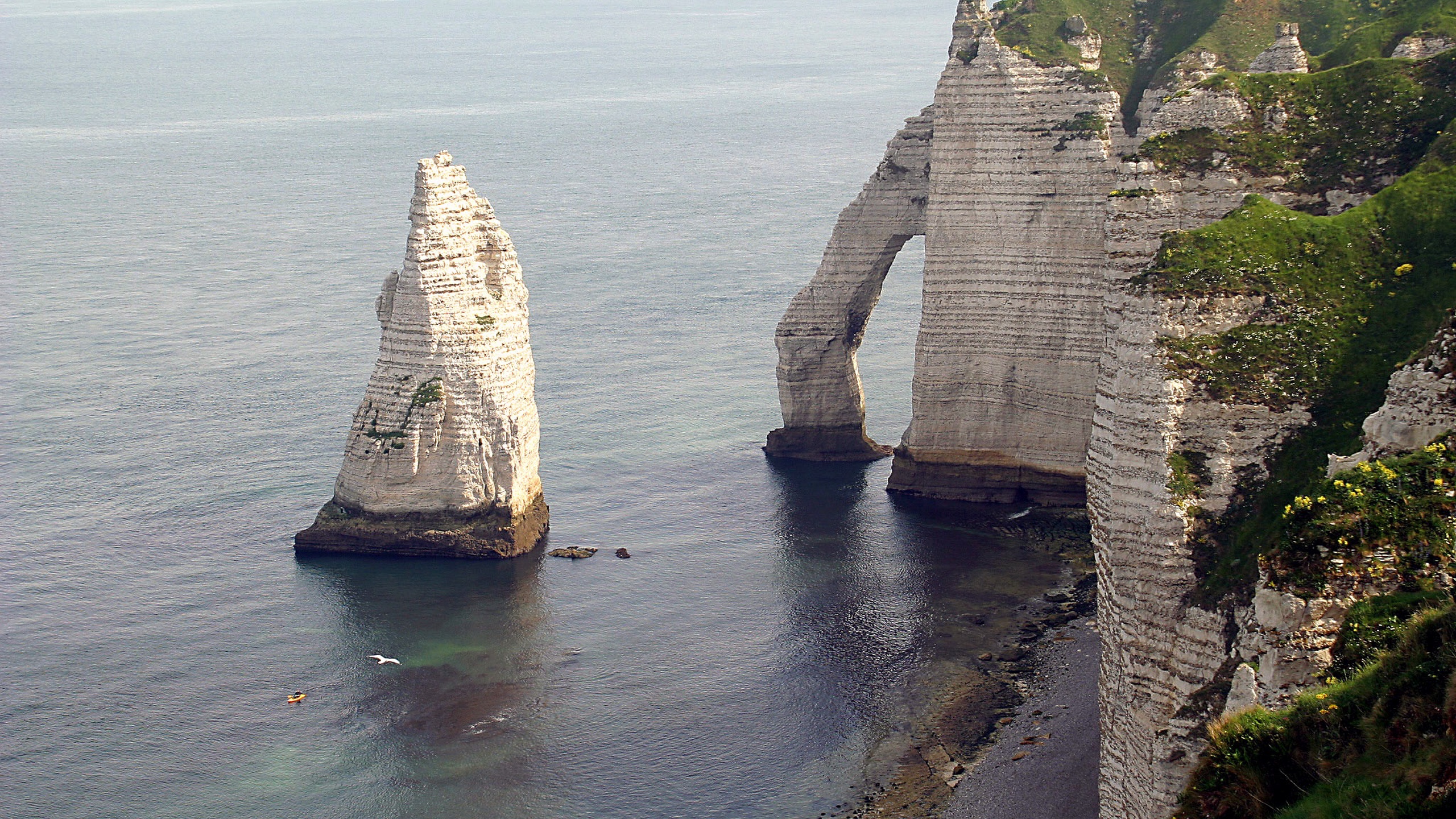
L'Aiguille (The Needle) is a spectacular 51-meter natural sea stack rising dramatically from the waters off Étretat's famous chalk cliffs on Normandy's Alabaster Coast. Formed over millions of years through marine and underground erosion of Cretaceous chalk deposits, this needle-shaped rock pillar stands adjacent to the iconic Porte d'Aval natural arch, creating one of France's most photographed coastal landscapes. The formation gained literary immortality as the secret treasure vault in Maurice Leblanc's 1909 Arsène Lupin novel 'L'Aiguille Creuse' (The Hollow Needle), and inspired countless Impressionist masterpieces, with Claude Monet alone painting over 90 canvases of Étretat between 1883-1885. Visitors can admire L'Aiguille from multiple viewpoints: from the pebble beach below, from atop the Falaise d'Aval cliff via a moderate hike, or from the dramatic Chambre des Demoiselles promontory accessible by footbridge. The site is free to visit year-round, though early morning or late afternoon visits are recommended to avoid peak summer crowds. Exercise caution near cliff edges, as the chalk is unstable - walking under the cliffs is prohibited by local ordinance due to regular rockfalls.
Interesting Facts
In Maurice Leblanc's famous 1909 novel 'L'Aiguille Creuse', gentleman-thief Arsène Lupin discovers that The Needle is actually hollow and contains the legendary treasure of the Kings of France - a secret supposedly passed from Julius Caesar to Marie-Antoinette. The story was so popular that tourists still jokingly search for the hidden entrance today, and Leblanc's former holiday home in Étretat is now a museum dedicated to his fictional hero.
Claude Monet was so obsessed with painting Étretat that he created approximately 90 canvases of the cliffs between 1883-1885, with 24 specifically depicting L'Aiguille and the Porte d'Aval arch. He would sometimes become so absorbed in capturing the changing light that waves would crash over him and wash away his equipment, yet he always returned the next day to continue his work.
L'Aiguille was first successfully climbed in 1936 by renowned French alpinist Pierre Allain, who pioneered many modern climbing techniques. The ascent of this 51-meter chalk pillar rising from the sea presented unique challenges due to the soft, crumbly nature of the chalk rock - a far cry from the solid granite Allain typically conquered in the Alps.
The formation of L'Aiguille reveals approximately 100 million years of Earth's history. The chalk is composed of countless microscopic marine organisms called coccolithophores that accumulated on an ancient seabed during the Cretaceous period - the same era when dinosaurs roamed the Earth. The distinctive horizontal flint bands visible in the needle formed from silica-rich sponges and other organisms.
Planning Your Visit
Opening Hours
Location & Practical Info
Address
Falaise d'Aval, 76790 Étretat, France
Day Routes
Explore all day routesThese carefully curated day itineraries include this attraction and show you exactly how to plan your visit, including transport, timing, and what else to see nearby.
Want to visit this attraction? These routes show you how to get here and what to combine it with.