Graville Abbey
About Graville Abbey
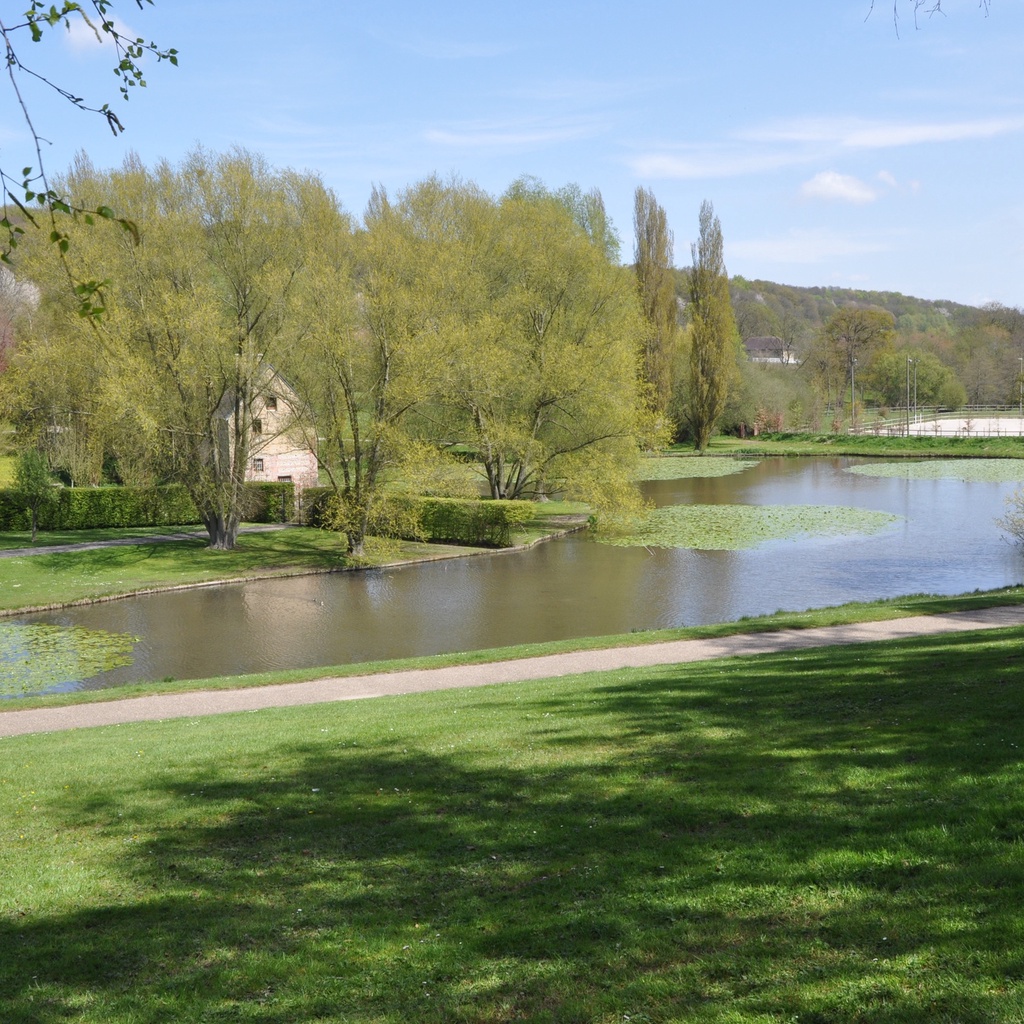
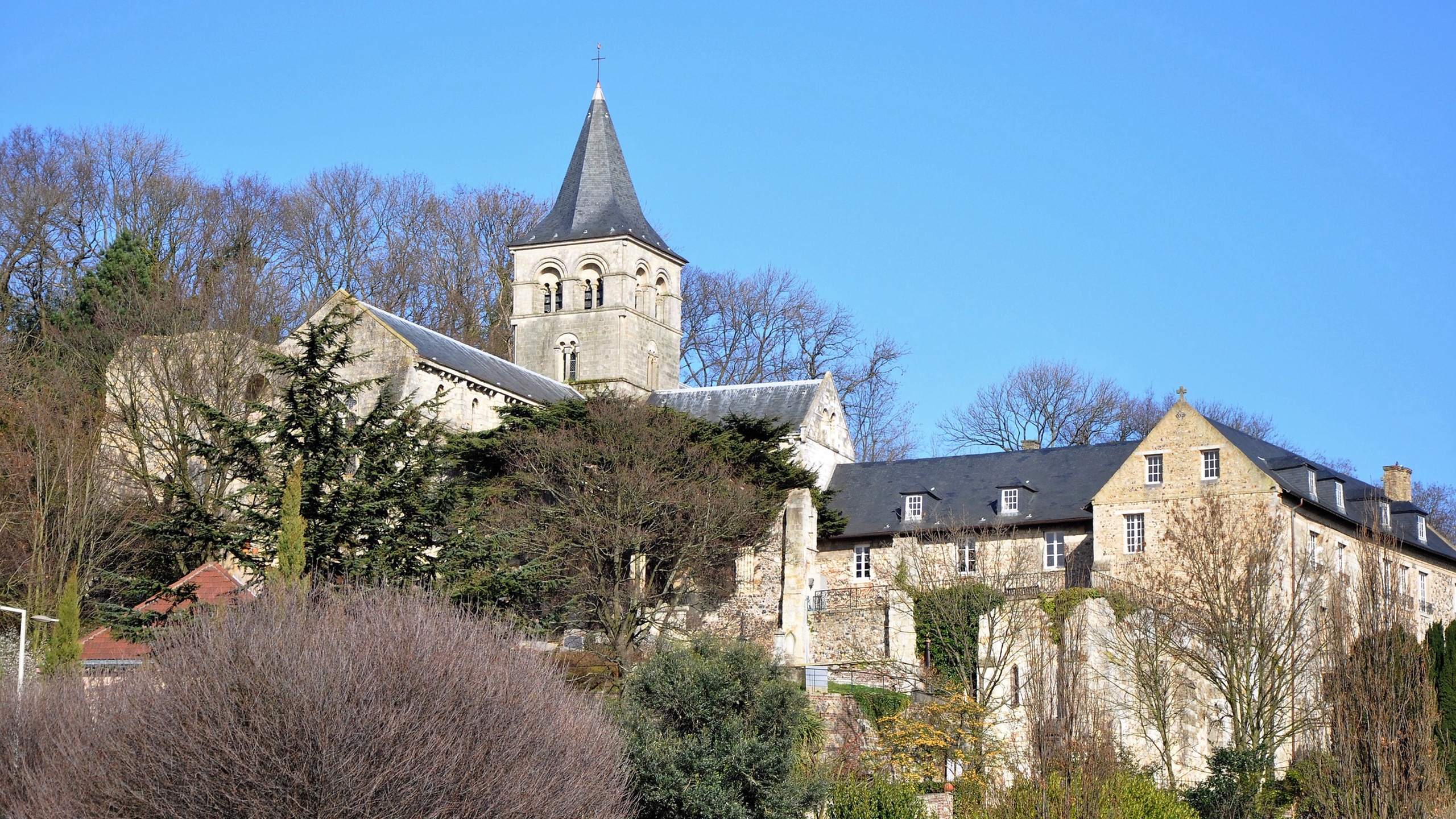
Graville Abbey is a masterpiece of Norman Romanesque architecture founded in the 11th century by Guillaume Malet de Graville, a companion of William the Conqueror, after his victory at the Battle of Hastings in 1066. The site has been a place of worship since the 6th century and is dedicated to Saint Honorine, patron saint of boatmen. Visitors can explore the beautifully preserved Romanesque church with its 13th-century Gothic choir and 17th-century baroque altarpiece, as well as the museum housed in the medieval monastic buildings. The museum features one of the finest collections of religious statuary in Normandy and the remarkable Gosselin Collection of over 150 architectural models illustrating French building traditions. The terraced gardens offer panoramic views over Le Havre, the Seine estuary, and the Normandy coast. At the entrance stands the striking 6-meter bronze statue known as the Black Virgin. The abbey is closed on Tuesdays and has a lunch break from 12:30 to 13:45. Note that winter hours (November-March) are slightly shorter, opening at 10:30 and closing at 17:30.
Interesting Facts
The abbey's founder Guillaume Malet de Graville financed its construction using war tributes collected from both Normandy and England after fighting alongside William the Conqueror at the Battle of Hastings. This dual-source funding allowed for the impressive 4-meter thick walls and elaborate Romanesque architecture that still stands nearly a millennium later.
Legend claims that Saint Honorine, to whom the abbey is dedicated, was martyred by pagans in Lillebonne in 303 AD, burned at Tancarville, and her body miraculously floated down the Seine to be discovered at the port of Eure. However, modern archaeological research suggests her relics were actually sent from Bayeux Cathedral to Graville in the 6th century to protect them from Norman invaders approaching from the west.
The striking 6-meter bronze Black Virgin statue at the entrance is actually a replacement - the original statue was melted down, likely during the French Revolution when many religious artworks were destroyed. Despite being a modern reproduction, the statue remains an object of active devotion and pilgrimage to this day.
Planning Your Visit
Opening Hours
Ticket Prices
Museum Entry
RecommendedLocation & Practical Info
Address
53 rue de l'Abbaye, 76600 Le Havre, France
Day Routes
Explore all day routesThese carefully curated day itineraries include this attraction and show you exactly how to plan your visit, including transport, timing, and what else to see nearby.
Want to visit this attraction? These routes show you how to get here and what to combine it with.