Château d'Acquigny (Acquigny Castle)
About Château d'Acquigny (Acquigny Castle)
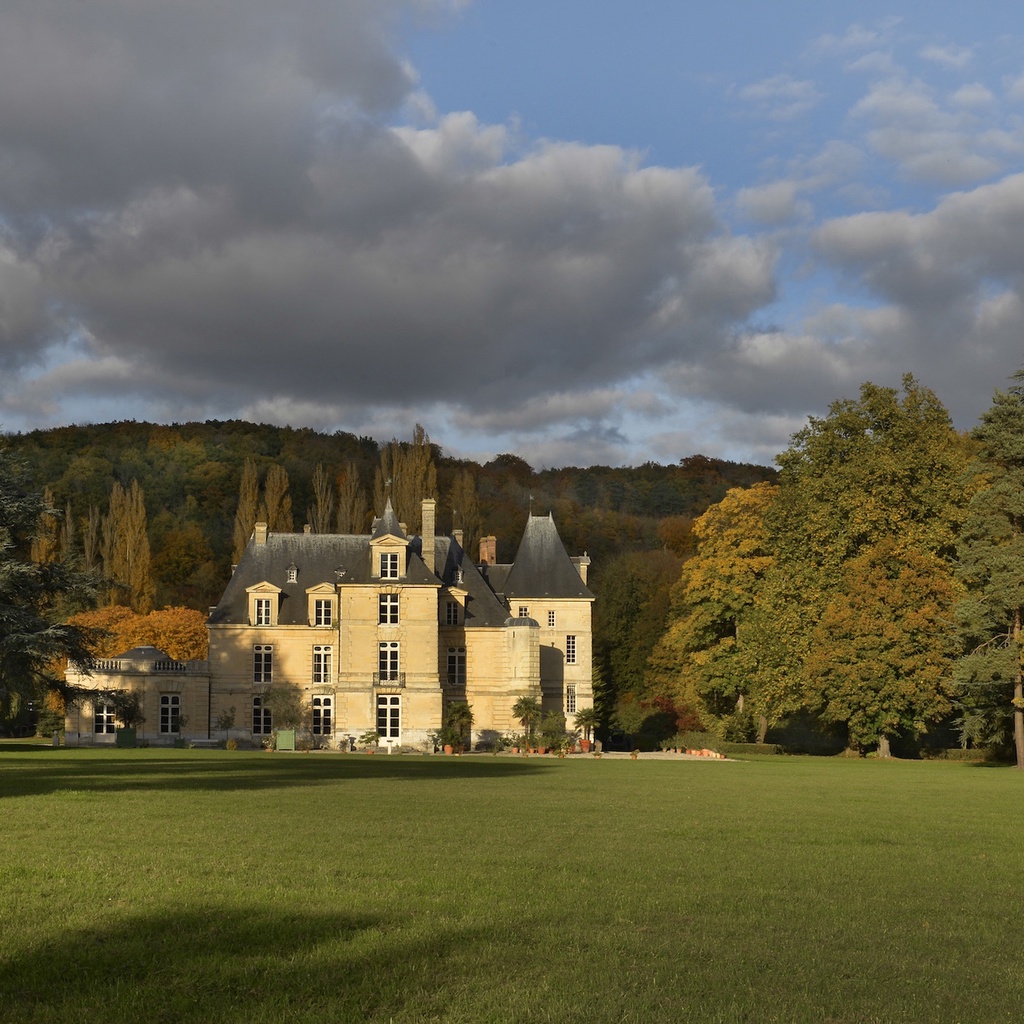
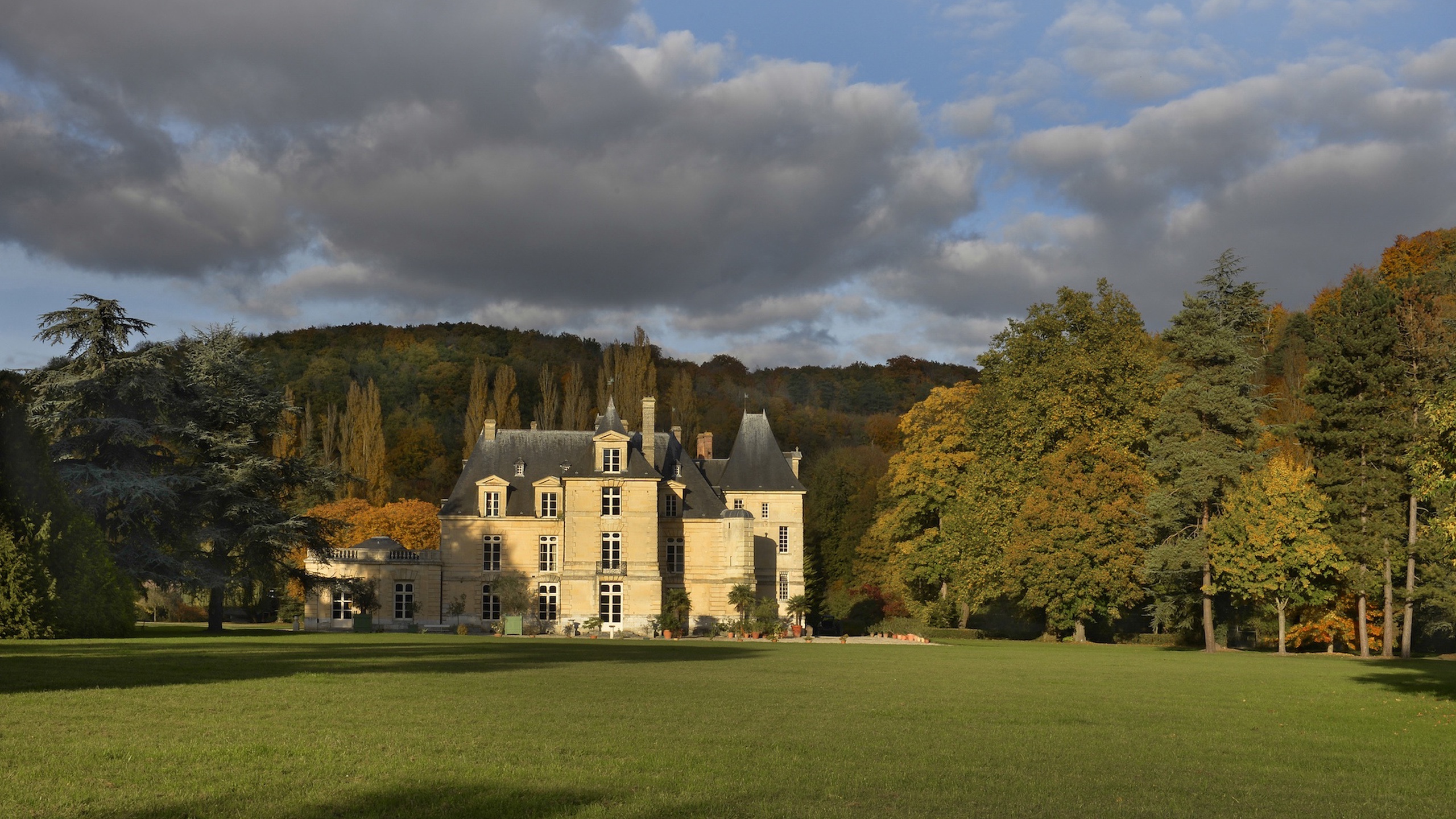
The Château d'Acquigny is a remarkable Renaissance castle built in 1557, renowned as the "Château de l'Amour" (Castle of Love). Anne de Laval, cousin of King Henri II, commissioned this unique estate as a symbol of eternal love for her husband Louis de Silly, with the floor plan incorporating their four intertwined initials (A.L.L.S.). The 16-hectare romantic landscape park, classified as a "Jardin Remarquable," features extraordinary centenary trees from five continents, including Japanese sophoras, Lebanese cedars, sequoias, and purple beeches. Visitors can explore the cascading waterfalls, Mediterranean orangery with citrus collection, and an orchard-vegetable garden with espaliered pear trees – one classified as a Remarkable Tree of France. Located at the confluence of the Eure and Iton rivers, the protected microclimate allows Mediterranean plants to thrive in Normandy. Note that the castle interior is not open for tours; visitors can access the gardens, South Salon, orangery, and former cider press house. Open weekends and holidays from April to October (14:00-18:00), with daily hours in summer (July 14-August 31, 13:00-19:00). Guided tours available at 15:00 and 16:30; advance booking recommended for groups.
Interesting Facts
The castle's architecture is rich with romantic symbolism: intertwined hands represent marital fidelity, oak symbolizes solid love, ivy represents unwavering attachment, olive stands for peace, and laurel signifies the immortality of love. These motifs are carved throughout the building as an eternal declaration of Anne de Laval's devotion to her husband.
Some of the castle's original Renaissance treasures have traveled far from Normandy. The ornate pilasters from the early 16th century are now displayed at the Musée des Beaux-Arts de Lyon, while Anne de Laval's bedroom fireplace and exquisite Renaissance woodwork found their way to Waddesdon Manor in England, where they remain part of the Rothschild Collection.
The château was likely designed by Philibert de l'Orme, one of the most celebrated French Renaissance architects who also worked on the Château de Chenonceau and the Tuileries Palace. The corner turret with its superimposed loggias resting on a scallop shell-shaped corbel is considered a masterpiece of Renaissance architectural innovation.
Planning Your Visit
Opening Hours
Ticket Prices
Garden Entry
RecommendedLocation & Practical Info
Address
1 rue Aristide Briand, 27400 Acquigny, France
Website
https://chateau-acquigny.frDay Routes
Explore all day routesThese carefully curated day itineraries include this attraction and show you exactly how to plan your visit, including transport, timing, and what else to see nearby.
Want to visit this attraction? These routes show you how to get here and what to combine it with.